







Skip to content
  • Explained
  • Impact Areas
  • Information Artworks
  • EBF
  • ImpacTrackers
  • Lex Icons™
  • Research
  • Experts
  • Explained
  • Impact Areas
  • Information Artworks
  • EBF
  • ImpacTrackers
  • Lex Icons™
  • Research
  • Experts

Community of Experts

Meet the people, organizations, researchers, and farmers spearheading and nature-positive solutions worldwide.

Categories

  • CGIAR Nature-Positive Solutions Initiative Team
  • Lexicon Team
  • Nature Positive Solutions Community
6b7d81dc-logo-cip-png
IUCN-logo
BAIF
IWMI
IFPRI
AllianceBioversityCIAT
ICARDA
ifad-logo
CIMMYT_logo
WWF_logo-v2
MyFarmTrees-logo

CGIAR Nature-Positive Solutions Initiative Team

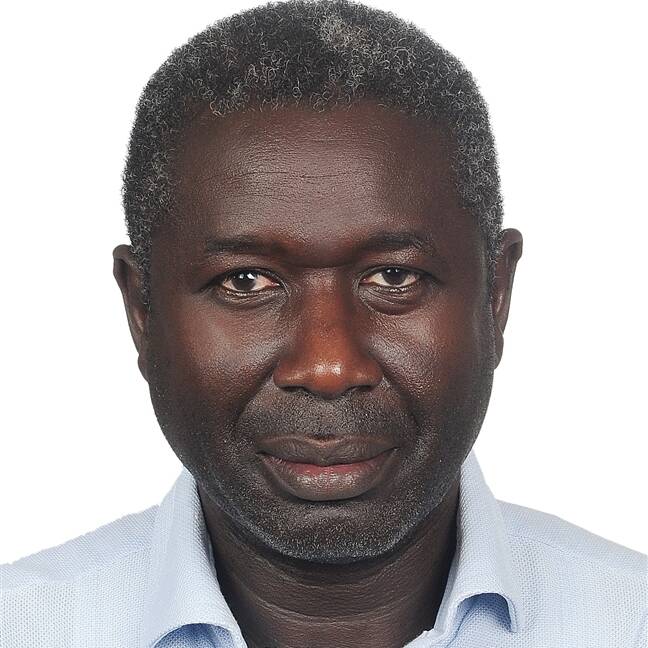
Abdoul Aziz Niane

Linkedin

Seed Technologist

ICARDA

Dr. Abdoul Aziz Niane is a seed technologist and rangeland ecologist with more than 30 years of experience in crop management and post-harvest seed operations. Since joining ICARDA in 1987, he has worked on seed production and post-harvest operations with extensive regional activities, including training and technical support on national seed system diversification.

He has led the operation and diversification of seed delivery systems, and implemented rangeland ecosystem monitoring and rehabilitation efforts. Dr. Niane has authored more than 20 peer-reviewed publications. His research interests include basic and applied research on seed science and technology.

He received his Ph.D. in rangeland ecology from Wageningen University in the Netherlands, and a M.Sc. in plant protection from Cukuruva University in Turkey.
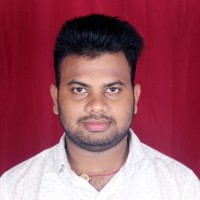
Abhijit Behera

Linkedin

Research Officer

IWMI

Abhijit previously served as a Senior Research Fellow at ICAR – Indian Institute of Water Management, Bhubaneswar. He worked on the World Bank supported multistate project Rejuvenating Watershed for Agricultural Resilience through Innovative Development (REWARD). His focus was on managing soil water conservation, crop planning, and improvement of groundwater status.
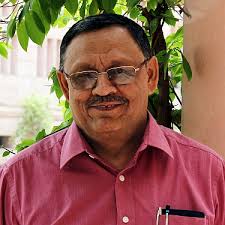
Alok Sikka

Linkedin

Country Representative

IWMI

Dr Alok K. Sikka is with International Water Management Institute, Delhi Office as IWMI Representative-India since April, 2016. Prior to joining IWMI, he served as Deputy Director General (Natural Resource Management), Indian Council of Agricultural Research (ICAR) and Technical Expert (Watershed Development) (in the rank of Additional Secretary to Govt. of India), National Rainfed Area Authority (NRAA), Planning Commission, Government of India, New Delhi. He was Director of ICAR Research Complex for Eastern Region, Patna and Basin Coordinator for Indo-Gangetic Basin under the CGIAR Challenge Program on Water and Food from 2002-2007. He is Ph. D. in Civil and Environmental Engineering with specialization in Hydrology and Water Resources Engineering from Utah State University, Logan, Utah. Besides working with ICAR for many years at Indian Institute of Soil & Water Conservation, Dehradun and its Research Centres, he was with National Institute of Hydrology, Roorkee; visiting Professor at University of Arizona, Tucson; and Faculty at the Oregon State University, Corvallis, USA. He has more than 251 publications and is recipient of many national awards including Fellow of National Academy of Agricultural Sciences.

Andrea Ghione

Linkedin

Project Leader, Market and Value Chain

Alliance Bioversity International and CIAT

I am a political scientist, an agricultural economist and a political economist with more than twenty years working experience in developing countries as: Project Leader Market and Value Chains for The Alliance of Bioversity International and CIAT (CGIAR) in Kenya, Ethiopia, Congo DR, India, Vietnam and Colombia, Programme Manager of the Italian Agency for Development Cooperation in Burkina Faso, Niger and Ghana, Chief Technical Advisor on Agro-Industrial Development of UNIDO in Ethiopia; Senior Economist of the Italian Agency for Development Cooperation in Ethiopia; NGO country manager, programme and project manager (in Sénégal, Burkina Faso, Mali, Niger, Guinée Conakry, Benin and Burundi); consultant in economic development for international organisations (IFAD in Mauritania), NGOs (in Guiné Bissao and Niger) and private firms (in Ethiopia and Burkina Faso) and lecturer on development finance at the University of Turin (Italy).

I hold a PhD in Economics and Industrial Development Policy from the Universities of Parma and Ferrara (Italy), a MSc in Agricultural Economics from SOAS/University of London (UK) and a MA in Political Sciences from the University of Turin (Italy).

I have significant experience in the design and implementation of industrial and agricultural policies and related interventions that consider the global and national political economy contexts and can enable inclusive and sustainable socio-economic growth in developing countries. To that effect, I have facilitated multistakeholder policy-processes involving governments, donors, civil society organisations, private sector organisations, farmers’ and pastoralists’ organisations at both national and local levels.

I have specific expertise in project management and evaluation, rural and agricultural development, agro-industrial development, agro-biodiversity for food and nutrition, food security and food sovereignty, rural and agricultural finance, and pastoralism.

My mother tongue is Italian, and I am fluent in English, French and Spanish. I am proficient in Microsoft Office, with excellent skills in SPSS.

Avinandan Taron

Linkedin

Researcher - Environmental and Resource Economist

IWMI

Avinandan started his career as an environmental economist in the corporate sector, where he was associated with conducting environmental and social impact assessments, and the pricing of utilities. He started his work in research for development with a postdoctoral opportunity at IWMI. This was followed by a brief stint in academics at the Tata Institute of Social Sciences, India. Prior to rejoining IWMI, he worked as a socioeconomist at the Centre for Agriculture and Bioscience International (CABI), UK, leading projects across south and southeast Asia.
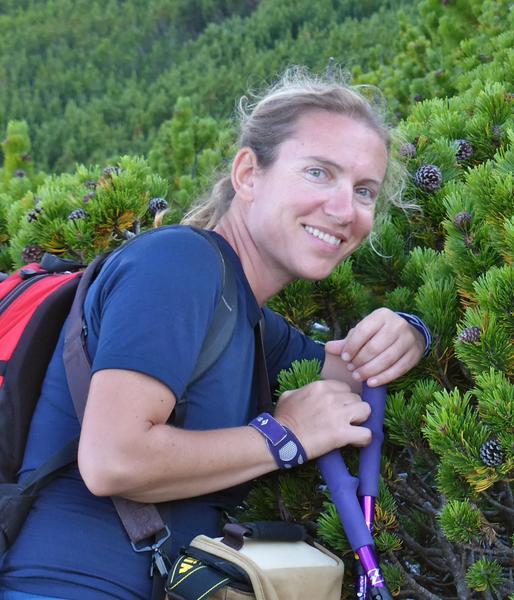
Barbara Vinceti

Linkedin

Senior Scientist

Alliance Bioversity International and CIAT

Barbara Vinceti is an Italian national based in Rome, Italy. Her main areas of focus are the conservation and sustainable use of forest genetic resources, forest landscape restoration and tree seed systems.
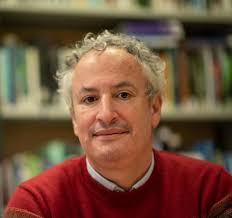
Carlo Fadda

Linkedin

Nature-Positive Solutions Initiative Lead

Alliance Bioversity International and CIAT

Carlo Fadda guides the research area in Biodiversity for Food and Agriculture. He oversees a research area with over 100 people, including consultants, support staff and over 45 scientists. His team focuses on four major research areas: agrobiodiversity in production systems, conservation, characterization, and genomics of bananas, forest genetic diversity, and biodiversity-related policy.

Carlo is also leading the global initiative called Nature Positive Solutions, which is part of CGIAR. This trans-disciplinary project promotes sustainable agriculture and nature-positive solutions in five countries: Kenya, Burkina Faso, India, Vietnam, and Colombia. It aims at ensuring food and nutrition security, improved livelihood within planetary boundaries by promoting biodiversity.

With a PhD in Evolutionary Biology, Carlo has always had a deep interest in biodiversity. Initially, his research focused on wild species and understanding the evolutionary processes behind current species distribution. He later expanded his work to include ecological projects, particularly studying outbreaks of rodents’ populations to prevent damage to crops during his post-doc in Tanzania, at the Sokoine University of Agriculture (1998-2001).
Recognizing the need for research that combines natural and human dimensions, Carlo joined an Italian NGO (Centro Internazionale Crocevia, 2001-2004), to coordinate a natural resources management project in Tanzania and Vietnam. It was during a conference organized by Bioversity International, then known as IPGRI, that he decided to join the organization. He spent several years in Vietnam working on managing agrobiodiversity, followed by leading (beginning in 2008) a UNEP-GEF project in Morocco, China, Uganda, and Ecuador, which aimed to reduce pressure from pests and diseases using genetic diversity.

In 2011, Carlo relocated to Nairobi, Kenya, as a senior scientist in genetic diversity. He managed projects in various countries, always emphasizing the significance of agrobiodiversity in production systems. He also played a key role in establishing Bioversity’s office in Ethiopia and leading it between 2015 and 2018. He also represented all country offices in the Senior Management Team.

Carlo’s flagship program, ‘Seeds for Needs,’ focuses on matching genetic diversity to farmers’ requirements and reintegrating material from gene banks into production systems. He strongly believes that the conservation and utilization of genetic resources are intertwined with rural development, livelihoods, and economics.

Throughout his career, Carlo has published over 40 scientific papers, presented at numerous conferences, and contributed to book chapters. He is also an adjunct researcher at Scuola S. Anna Pisa in Italy. Based in Kenya since 2018, Carlo continues to make significant contributions to the field of biodiversity for sustainable agriculture.

Celyne Termote

Linkedin

Africa Team leader - Food Environment and Consumer Behaviour

Alliance Bioversity International and CIAT

I am a scientist with over 15 years of experience with research in development, especially in Sub-Saharan Africa (DRCongo, Benin, Burkina Faso, Kenya, Ethiopia, etc.).

My multidisciplinary work bridges research in ethnobotany, agroecology, sustainable food systems, diet diversity and quality, with strong focus on community-based participatory approaches. I combine this with solid monitoring and evaluation quasi-experimental quantitative designs as well as qualitative work.

As the regional Team leader for Africa in the Food Environment and consumer Behavior research program at the Alliance of Bioversity International, I am leading a team of about 25 staff, consultants and students working on value chains, market integration, study and promotion of neglected and underutilized species (NUS), agrobiodiversity for diet diversity, sustainable food systems, food environments, nutrition education and dietary outcomes. Before starting a scientific career, I served as a development worker in DR Congo where I fully realized my interest in research that is practical, contextualized and adjusted to the needs of the people for it to generate lasting impact on the livelihoods of people. I am holder of a PhD from Ghent University in Belgium with title: ‘wild edible plants in Tshopo District, DR Congo’.

I am a proud mother of 2 beautiful girls and passionate about food, nature, travelling and spending quality time with nice people around.

Chris Kettle

Linkedin

Principal Scientist, Lead Tree Biodiversity for Resilient Landscapes

Alliance Bioversity International and CIAT

Chris Kettle is a transdisciplinary scientist with an extensive background in applying research for development across landscapes in Asia, Latin America, and Africa. With 22 years of experience in landscape restoration and tree-based solutions for sustainable agriculture, Kettle has established a strong reputation as an internationally renowned scientist. His contributions include over 90 peer-reviewed publications and a focus on biodiversity-based solutions, particularly emphasizing the diversity of trees and non-timber forest products as critical, yet underutilized, nature-based solutions for various sustainable development goals. His work is particularly centered on the synergies between climate change mitigation, resilient landscape restoration, and sustainable food systems.

Since August 2017, Kettle has led a large, cross-cutting interdisciplinary research team within the Alliance of Bioversity International and CIAT, which is part of CGIAR. His leadership has focused on the conservation and sustainable use of socio-economically and ecologically important trees and their genetic diversity for multifunctional landscapes. This team emerged from the successful merger of two groups of scientists and senior scientists across the Alliance. In his current role, Kettle manages a multi-million dollar research program spanning Southeast Asia, Latin America, and Africa. From 2017 to 2021, he led the cluster of activities (CoA) Safeguarding Forest Genetic Resources within CGIAR’s Research Program on Forests, Trees, and Agroforestry.
Since 2022, Kettle has been leading the Restore Work-package within the Nature+ OneCGIAR Initiative and working within the Agroecology Initiative. His achievements at the Alliance have been accomplished while working 80% of the time for the Alliance of Bioversity International and CIAT, and maintaining a joint appointment (20%) as Group Leader in the Department of Environmental System Science at ETH Zurich, where he teaches final-year graduate and postgraduate students in Rainforest Ecology and resilient landscapes.

Before joining CGIAR, Kettle served as a full-time tenure Group Leader at ETH Zurich from 2007 to 2022, supervising over 14 PhD students on topics related to the conservation and sustainable management of tropical landscapes. Additionally, he is one of the four founders of the Centre for Fruitful Lands India, a knowledge hub aimed at increasing fruit tree diversity in multi-functional landscapes in India to improve childhood nutrition, and contribute to poverty alleviation, environmental health, and climate mitigation.
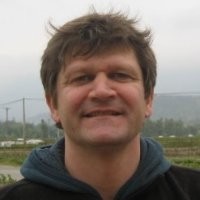
Cornelis “Kees” Swaans

Linkedin

Senior Advisor - Climate Change and Development, Climate Action.

Alliance Bioversity International and CIAT

Cornelis (Kees) is an expert on climate change and development with more than 20 years of experience in Africa and Asia. His work has evolved from addressing technical and social challenges in agriculture, health, and natural resource management to integrated (knowledge) management and policy engagement for sustainable development. He has worked as a scientist, project coordinator and program manager for different types of organizations, including universities, international research organizations and NGOs.

Kees joined the Alliance of Bioversity International and CIAT in 2019. He is currently leading the Climate Action work in Asia and is responsible for several projects and programs on (digital) climate advisory and bundled services, including DERISK SE Asia (which will end in 2024) and the CGIAR initiative Asian Mega-Deltas. Together with a team of development professionals, scientists, and consultants, he has been working on national and subnational climate risk profiles and investment plans, as well as the development and scaling of various risk assessment tools and agroclimatic advisory products and other services by taking a user-centered design appraoch. Main focus has been on the Philippines, Vietnam, Cambodia, Laos, Myanmar, Nepal, and Pakistan. He is strongly interested in working across disciplines, making use of both qualitative with quantitative data, and linking the technical with the socio-ecological and political. He is also contributing to the CGIAR iniative Nature-Positive Sollutions, where he acts as a focal point for Vietnam on behalf of the Agrobiodiversity for Food and Agriculture of the Alliance.

Kees is Dutch from origin and earned a PhD from the VU University Amsterdam in Research on Innovation in the Life Sciences and two MSc studies from Wageningen University in respectively Management of Agroecological Knowledge Systems and Plant Pathology. He lives since 2015 in Hanoi, Vietnam with his family.
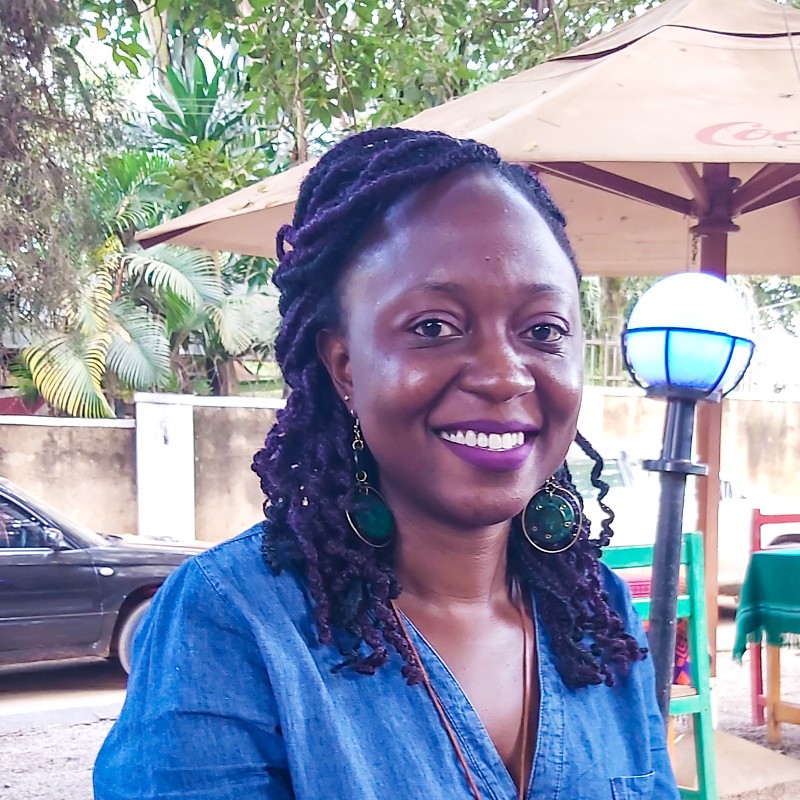
Deborah Nabuuma

Linkedin

Associate Scientist

Alliance Bioversity International and CIAT

Deborah Nabuuma is a Nutritionist with The Alliance of Bioversity International and CIAT as an Associate Scientist. Her work centers on understanding and enhancing food environments, consumer behavior and dietary intakes to support access, availability, and consumption of healthy diets from sustainable food systems.

Joining The Alliance in 2013, Deborah has attained research experience in Eastern Africa, Southeast Asia and The Pacific in the assessment and improvement of diets; development and implementation of strategies that enhance the utilization of agrobiodiversity; and integration of nutrition in farming and seed system interventions to enhance food security and nutrition outcomes.

Deborah has a PhD in Nutritional Sciences from Stellenbosch University, an MSc in Applied Human Nutrition from Makerere University, and a BSc in Food Science and Technology from Makerere University. She is currently based in Penang, Malaysia.

Before joining the Alliance, Deborah worked as a Graduate Assistant at the School of Food Technology, Nutrition and Bio-engineering, Makerere University where she developed new ready-to-use therapeutic foods formulations and assessed and improved the nutritional functionalities of peanuts and amaranth. Prior, she worked as a nutritionist at the Mwana Mugimu Nutrition Unit, Mulago National Referral Hospital, Uganda.
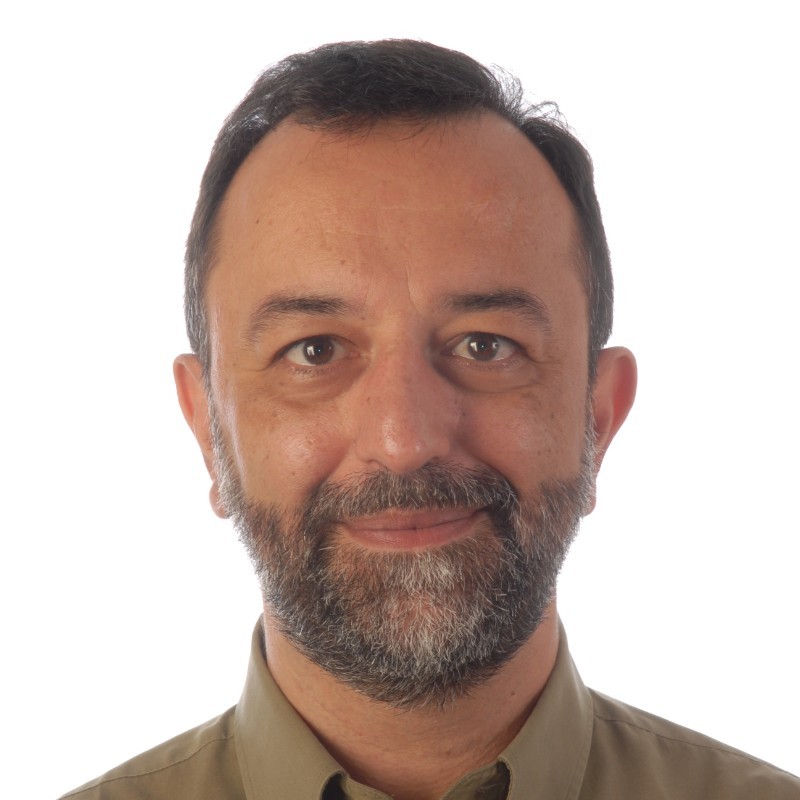
Diego Naziri

Linkedin

Value Chain/Postharvest Specialist

CIP

Diego Naziri is a value chain and postharvest specialist at the International Potato Center (CIP) and senior research fellow at the Natural Resources Institute (NRI) of the University of Greenwich, UK. Before joining CIP and NRI, he worked at the Centre de Cooperation Internationale en Recherche Agronomique pour le Développement (CIRAD) and at the Italian Agency for Development Cooperation. During his career, Diego has been involved in a wide range of research and consultancy on development opportunities and problems in the agri-food sector of over 20 low- and middle-income countries. His main interest lies in the creation and transfer of knowledge that can contribute to improving smallholder farmer market access and profitability by building appropriate institutions and strengthening linkages among key public and private sector actors of the value chain. He has specific experience in the areas of roots and tubers value chains, marketing, processing, enterprise development and postharvest losses. Diego holds a PhD in Cooperation for Sustainable Development from the University “La Sapienza”, Rome and he is a member of the International Association of Agricultural Economists (IAAE), of the European Association of Agricultural Economists (EAAE) and Teaching Associate Fellow of the UK Higher Education Academy (HEA). Since joining CIP, Diego has coordinated large multi-agency interdisciplinary R&D teams working on RTB crops in Africa and Asia. He is currently based in Vietnam.

Dzifa Agbefu

Linkedin

Innovation Hub Coordinator- International Water Management Institute (IWMI)

IWMI

Ing Dzifa is a circular economy waste management expert with over 8years of working experience. Her core expertise lies in circular economy business implementation and financial modeling, sustainable waste management approaches, innovation systems design and operationalization, capacity building, and stakeholder engagement. These skills collectively enable her to translate intricate project concepts and scientific data into actionable plans, rallying the support of key diverse stakeholders, whiles ensuring scientific rigor. Currently, she is the innovation hub coordinator at IWMI, leading the design, setting up, and continuous operation of the circular bioeconomy innovation hub in Ghana.
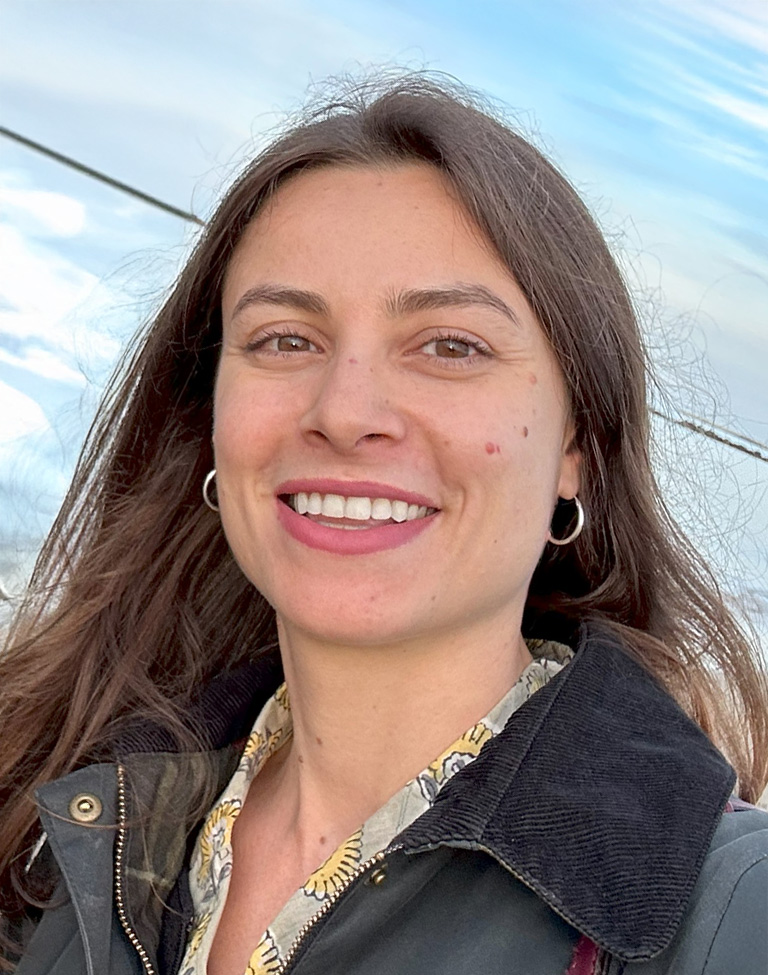
Eleonora De Falcis

Linkedin

Agricultural Economist

Alliance Bioversity International and CIAT

Eleonora is an agricultural and trade economist in the research program Biodiversity for Food and Agriculture at the Alliance of Bioversity International and CIAT. Her work focuses on the economic sustainability of on-farm agrobiodiversity conservation, looking at market aspects from local, national, and international perspectives.

Before joining the Alliance, Eleonora worked in academia, the private sector, and international organizations with a focus on trade, including the World Trade Organization and the International Trade Centre.

Her areas of expertise include SMEs, agri-food sector competitiveness, agrobiodiversity, international trade, and sustainable development. She holds a PhD in Agrifood Systems from the Catholic University of the Sacred Heart (Piacenza). Passionate about sustainability, Eleonora is also a GRI Certified Sustainability Professional.
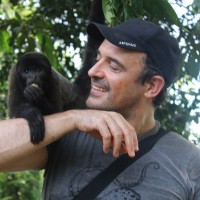
Evert Thomas

Linkedin

Senior Scientist

Alliance Bioversity International and CIAT

Evert Thomas is a Belgian national based in Lima Peru. His main areas of work focus on improving the conservation and sustainable use of forest genetic resources, and their application in tree-based restoration projects in Latin America and the Caribbean by combining different disciplines such as distribution modeling, spatial diversity analysis, population genetics, archaeology, ecology and social sciences. Currently, main activities focus on the development and scaling of spatially explicit online tools to support the design of agroforestry systems (www.cacaodiversity.org) and support the tree-based restoration of degraded areas (D4R; www.diversityforrestoration.org), as well as on improving the characterization of the native diversity of cacao (Theobroma cacao) and Amazon nut (Bertholletia excelsa) genetic resources in the Americas, and strengthening their improved use for tackling multiple challenges (climate change adaptation, bridging the productivity gap, resolving heavy metal contamination in cacao…). During his PhD research, Evert examined the relation between plant diversity and plant usefulness in three indigenous communities in the Bolivian Andes and Amazon. Prior to joining Bioversity International, Evert acted as the Belgian focal point for the Access and Benefit Sharing objective of the Convention on Biological Diversity, which led to the adoption of the Nagoya Protocol during the Belgian presidency of the EU, in which Evert played a very active role.
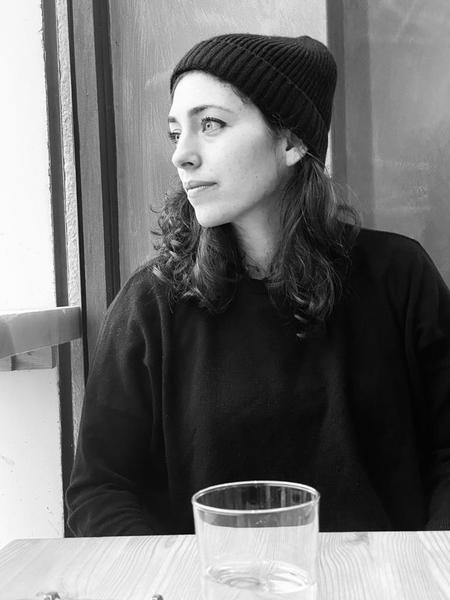
Francesca Grazioli

Linkedin

Scientist

Alliance Bioversity International and CIAT

Expert and passionate about food systems, performing M&E from projects to policies, an economist with a focus on food security and biodiversity resilience. Geographically focused on sub-Saharan Africa, gastronomically on a global level.
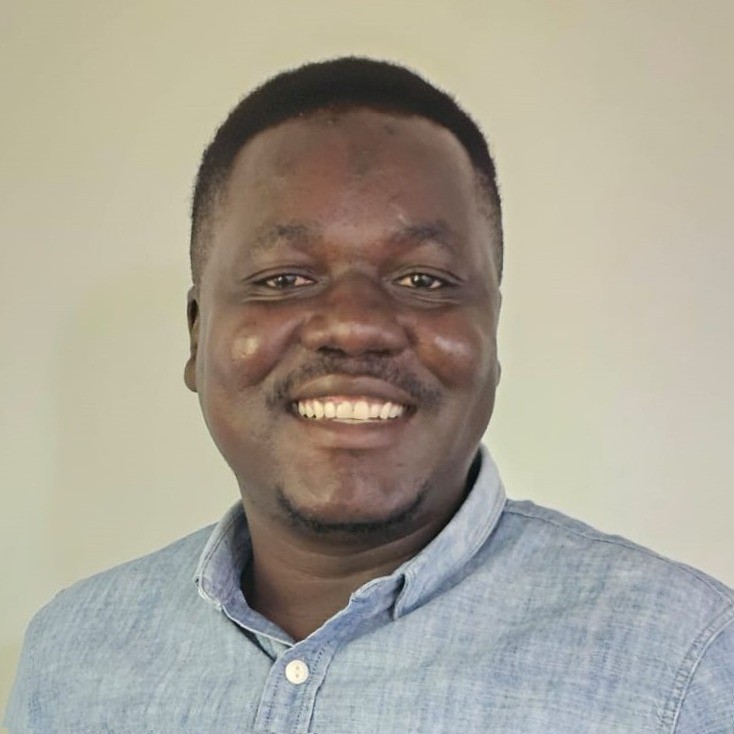
Francis Odhiambo Oduor

Linkedin

Research Fellow - MyFarmTrees

Alliance Bioversity International and CIAT

Francis Odhiambo Oduor is a PhD Candidate at the University of Nairobi and a Research Fellow at the Alliance of Bioversity International and CIAT. He has a Master of Science Degree in Applied Human Nutrition and a Bachelor of Science degree in Food Science, Nutrition and Dietetics, both from the University of Nairobi. Francis’ research interests lie in participatory research approaches to empower communities to improve their diets and livelihoods.
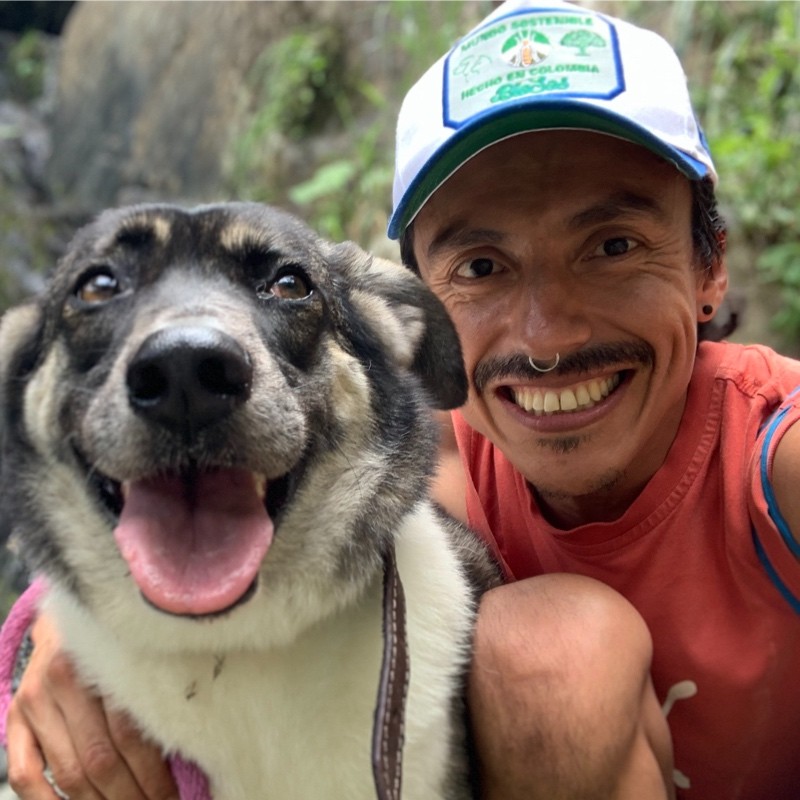
Guillermo Pena Chipatecua

Linkedin

Senior Research Associate

Alliance Bioversity International and CIAT

Environmental project ́s manager (circular economy, bioenergy, small scaled solutions, management and conservation of natural resources). 12+ years of experience as project manager (research, capacitiy building, eco-technology implementation). Freelance lecturer and instructor. Passionate about sustainable habits and basic sanitation alternative solutions.
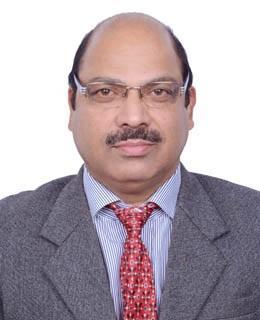
Jai Rana

Linkedin

Country Representative

Alliance Bioversity International and CIAT

Dr. Jai Rana is Senior Scientist and Country Representative for India office of the Alliance since 2017. He is currently affiliated to the CGIAR Systems Transformation Science Group, Lever 4 on agrobiodiversity and nature + initiative. He holds a Ph.D. in Genetics and Plant Breeding and Post Doctorate in Molecular Plant Breeding.

His area of research primarily focuses on enhancing adaptive management of crop diversity for resilient agriculture and improved livelihoods through strengthening crowd sourcing (putting landraces/ farmers varieties and modern varieties together and allow need based participatory selection), local seed supply systems, establishment of community genebanks, seed fairs, field evaluation trials and demonstrations that enable farmers to benefit from diversity rich solutions.
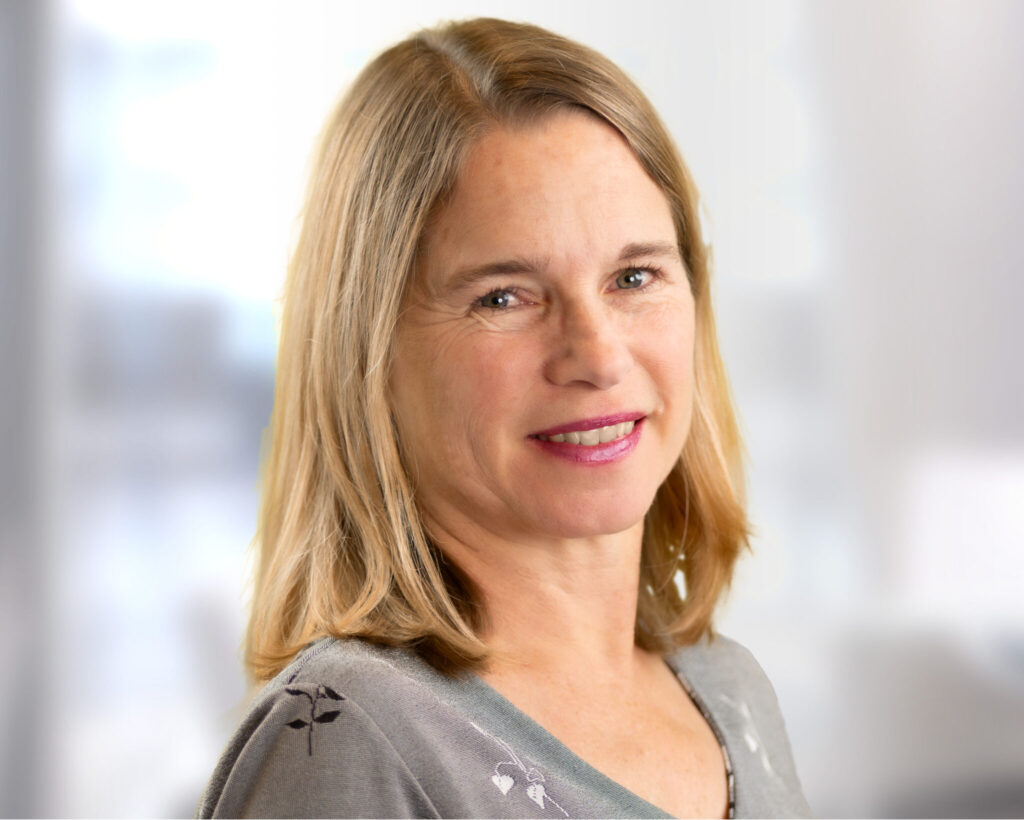
Kristin Davis

Linkedin

Senior Research Fellow

IFPRI

Dr. Kristin Davis is a Senior Research Fellow in the Natural Resources and Resilience (NRR) Unit at the International Food Policy Research Institute. A U.S. national, Davis joined IFPRI in 2004 as a postdoctoral fellow and is based in South Africa. She is an expert in international agricultural education and extension. She conducts research and strengthening capacity on agricultural extension and education, policy engagement, gender equality and youth inclusion, nature-positive solutions, individual and organizational capacity, and agricultural innovation systems. She has authored over 50 peer-reviewed journal articles, book chapters, and policy briefs. Davis was the architect of the New Extensionist Learning Kit, a set of modules containing core competencies for the global agricultural extension agent.
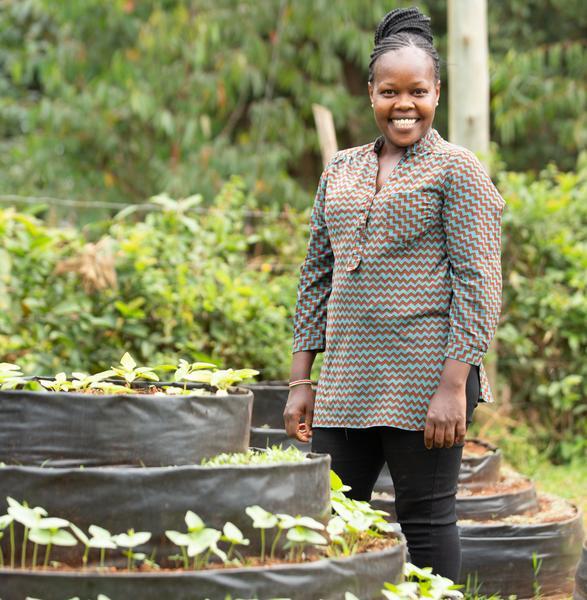
Lillian Aluso

Linkedin

Research Associate

Alliance Bioversity International and CIAT

Lillian Aluso is a research associate at the Alliance Bioversity International and CIAT, based in Vihiga County, Western Kenya. She coordinates the project “Supporting agroecological transitions in Vihiga County” under the Food Environment and Consumer Behavior as well as activities under the CGIAR Nature Positive Solutions initiative. She holds a Master of Science degree in Nutrition and Rural Development. Her work around informal seed systems including establishment of community seedbanks Western has contributed towards increasing access to wealth of local diverse seeds by smallholder farmers in Western Kenya for improved diets, incomes and livelihoods.
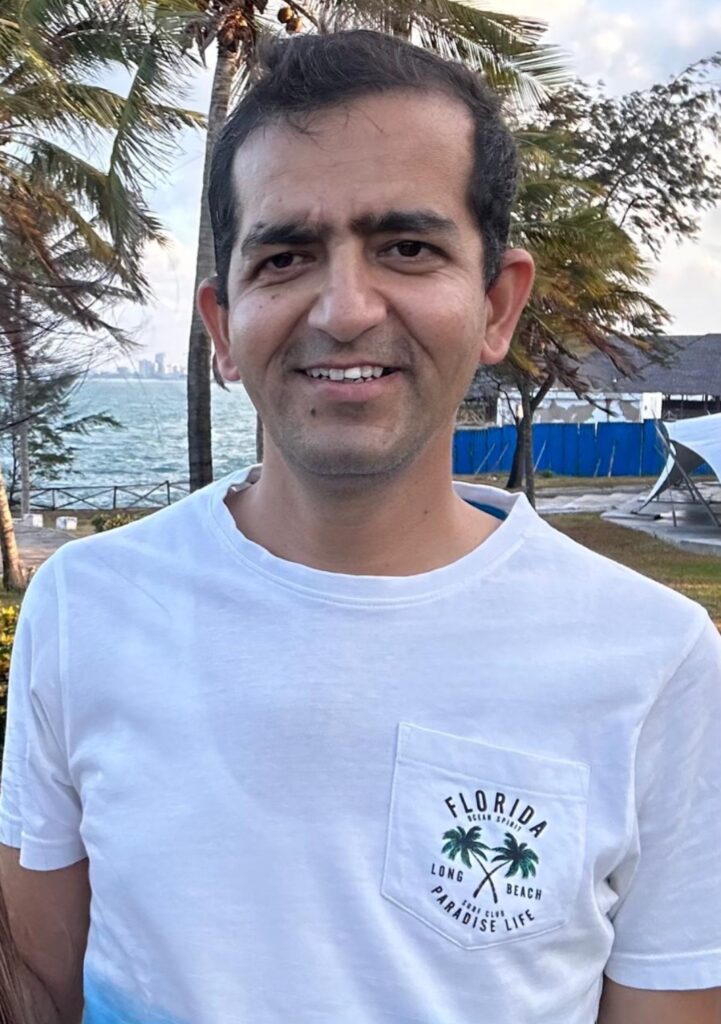
Manoj Kaushal

Linkedin

Cropping System and Soil Scientist

Alliance Bioversity International and CIAT

Manoj Kaushal is a cropping systems and soil health expert. Soil-microbe-crop interactions, below ground microbial diversity, integrated nutrient management systems, soil and plant health, crop protection/ disease management are the major areas of research. Other activities range from basic soil, crop and water management research for climate mitigation and adaption strategies to the advanced techniques such as metagenomics and high throughput sequencing. He has vast experience working and developing low-cost indigenous solutions for improving soil health, sustainable crop production, crop residue/ waste recycling and water management for small scale farmers in tropics and semi-arid zones of Africa and Asia. Currently he is working on Nature based solutions for improving soil health and crop productivity in Africa, Asia and Latin America. He has more than 50 publications in his account including articles in peer-reviewed journals, book, book chapters and others. He also led and contributed to major research projects working with global donors including BMGF, EU and AU.

Mansi Tripathi

Linkedin

Researcher – Resource Recovery and Reuse

IWMI

Mansi worked as a Senior Program Officer at National Institute of Hydrology, Roorkee, India in a DST, GoI-funded project based on resource recovery and circular economy. Prior to that, Mansi worked at National Mission for Clean Ganga (Namami Gange), Delhi, India where she worked as a Research Officer. She has worked extensively in the field and has well-rounded experience in water quality and pollution of freshwater bodies, wastewater recycle & reuse, water security, LCA of STPs and circular economy. Mansi has authored several peer-reviewed publications during her master’s and PhD from IIT Roorkee, India. Currently working as a Researcher -Resource Recovery and Reuse at IWMI based in Delhi since 2022.
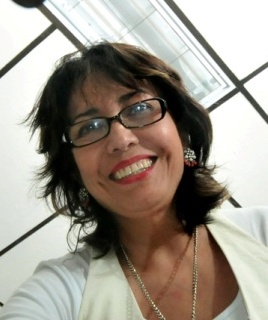
Marleni Ramirez

Linkedin

Regional Representative for Central and South America

Alliance Bioversity International and CIAT

Dr. Marleni Ramirez, a Peruvian national, became the Regional Director for The Americas Office of Bioversity International in late 2005. Since 1986, her professional experience has included work in various sectors of international development including capacity development and training, small enterprise development and implementation of agriculturally focused projects. She has worked with universities, the private sector, international organizations and the government. Dr. Ramirez was a Science and Diplomacy Fellow at the U.S. State Department under the patronage of the American Association for the Advancement of Science. During the last decade, she has developed, administered and/or implemented projects in agriculture and conservation of biological diversity. Dr. Ramirez has also studied the use and management of native varieties of minor tubers by peasants in the Peruvian Andes, and has implemented an initiative for complementary conservation in northern Ecuador, with an innovative conservation practices.
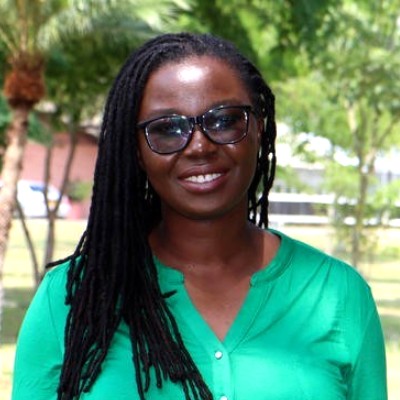
Mary Otieno

Linkedin

Coordinator Asia | Tropical Forages Program

Alliance Bioversity International and CIAT

Mary Atieno is the Asia coordinator for the Tropical Forages Program, Alliance of Bioversity International and CIAT. She coordinates various projects and CGIAR initiatives on crop-livestock-based systems in the region. Currently, she is the Vietnam country lead for the Sustainable Animal Productivity for Livelihoods, Nutrition and Gender Inclusion (SAPLING) initiative, and Laos country lead for Sustainable Intensification of Mixed Farming Systems (SI-MFS) Initiative. Mary also leads bilateral projects on forage-based systems assessment, testing and scaling of locally-suited livestock feeds and forages in Southeast Asia.

Her education and research background spans Soil Health, Agronomy, Agricultural Biotechnology and Climate Smart Agriculture, with 7 years experience at the Alliance of Bioversity and CIAT.

Before joining the Tropical Forages Program, she was part of the Common Microbial Biotechnology Platform of the Alliance, and the Climate Action lever where she led activities on Climate-Smart Agriculture and Livestock evaluation and prioritization of sustainable, climate-smart practices for key crops and livestock value chains.

Mary was awarded her Doctor of Philosophy (Agriculture) by The University of Sydney, Australia, in 2018.
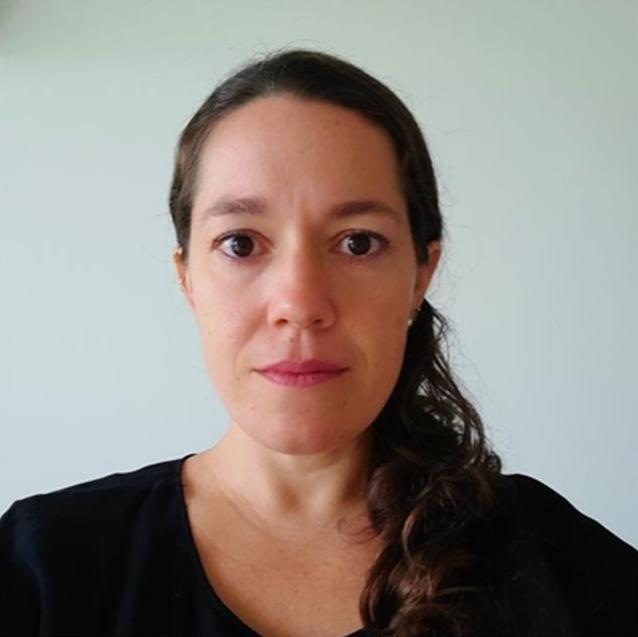
Natalia Ortiz Escobar

Linkedin

Business Partner for Research

Alliance Bioversity International and CIAT

Natalia Ortiz is a Biologist with a MSc. Degree in Conservation and Biodiversity from the University of Exeter and studies in Project Management. With 14 years of experience participating in the design, execution and monitoring of projects related to biodiversity conservation and sustainable development, she currently liaises research teams of the Alliance Bioversity & CIAT with partners in LAC Region to increase effectiveness and impact of science-based solutions for food systems.

Rachel Kibui

Linkedin

Communication Consultant

Alliance Bioversity International and CIAT

Rachel Kibui is a Kenyan communication consultant, journalist, and author with over 15 years of experience in writing on agriculture, climate change, and development. As a communication consultant, Rachel leverages her journalistic expertise to support organizations in effectively communicating their messages and amplifying them through both traditional and digital media outlets.

Currently, Rachel is a communication and media consultant at The Alliance of Bioversity and CIAT, supporting the Nature Positive Initiative in Kenya. She has worked with notable organizations including Nation Media Group, EU-UNIDO, EU-NDMA, USAID, and PELUM Kenya.

Her work aims to drive positive change by raising awareness and advocating for solutions to pressing issues in agriculture and development. In 2017, Rachel was recognized by USAID for her contributions to agricultural journalism.

Riina Jalonen

Linkedin

Scientist

Alliance Bioversity International and CIAT

Riina Jalonen joined the Alliance of Bioversity International – CIAT in 2009. In her work, she develops knowledge, technical and institutional capacities for forest and landscape restoration, using interdisciplinary approaches combining ecology, genetics, development and gender studies. She provides technical support to South and Southeast Asian countries in the conservation and management of forest genetic diversity through the Asia Pacific Forest Genetic Resources Programme (APFORGEN, www.apforgen.org). She has a versatile background with PhD in Forest Sciences, MA in Educational Leadership and Management, and BSc in Development studies.
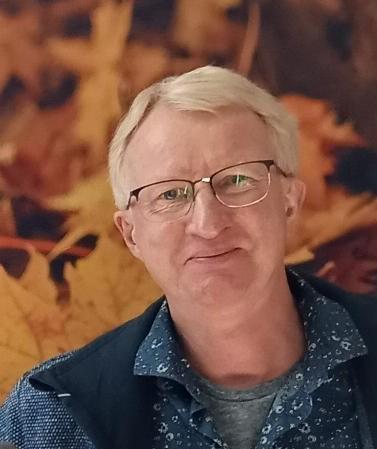
Ronnie Vernooy

Linkedin

Rural Development Sociologist

Alliance Bioversity International and CIAT

Ronnie Vernooy is a rural development sociologist with a particular interest in agricultural biodiversity and natural resource management. He has more than 20 years of experience in managing and conducting participatory research in a number of countries, including Nicaragua, Cuba, Honduras, China and Mongolia.

He has coauthored and coedited several books and articles on biodiversity management and conservation; most recently, with Manuel Ruiz, The Custodians of Biodiversity: Sharing Access and Benefits of Genetic Resources.
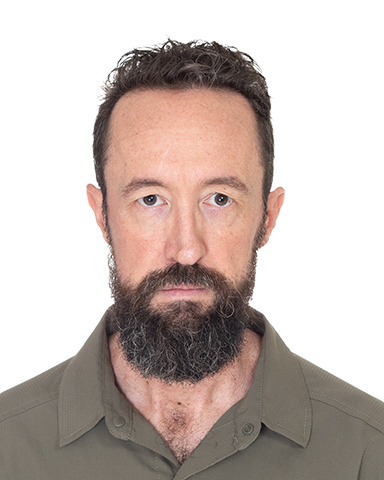
Sean Matteson

Linkedin

Global Communications Officer

Alliance Bioversity International and CIAT

Sean Mattson has worked in international journalism and science communication since 1999. Before joining the Alliance of Bioversity International and CIAT as Global Communications Officer in 2018, Sean worked as a science writer and photographer at the Smithsonian Tropical Research Institute in Panama. He previously worked as a newspaper and newswire correspondent in Mexico and Central America.
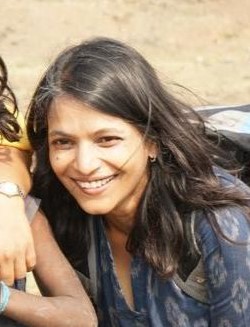
Smitha Krishnan

Linkedin

Scientist

Alliance Bioversity International and CIAT

Smitha Krishnan is a scientist (Agrobiodiversity and Ecosystem services) at The Alliance of Bioversity and CIAT since 2019. Her research interests broadly include pollination biology, plant-animal interactions, restoration, soil-plant relationships, and sustainable livelihoods. Smitha has a PhD from the Swiss Federal Institute of Technology (ETH, Zurich), where she undertook research on pollination services and coffee production in a forested landscape mosaic, in Western Ghats, a biodiversity hotspot. Currently, in addition to working on projects on agroecology, pollination services, nature-based solutions and fruit trees, she is also coordinating the development of Diversity for restoration tool, a decision support tool for tree-based restoration or planting activities for India.

You may access her publications and details here: https://www.researchgate.net/profile/Smitha-Krishnan-3/research and www.linkedin.com/in/smitha-krishnan-629135158
Solomie Gebrezghaber

Linkedin

Nature-Positive Solutions Initiative Co-Lead

IWMI

Dr. Solomie Gebrezgabher is a senior researcher with the Integrated Circular Economy Transformation (ICET) research group of the International Water Management Institute (IWMI). With a background in Business Economics, her work focuses on developing business models and decision support systems for circular economy (CE) technological solutions. Her research includes assessing the economic, social and environmental sustainability of CE business models and assessing the investment climate for private sector investment in circular economy businesses.
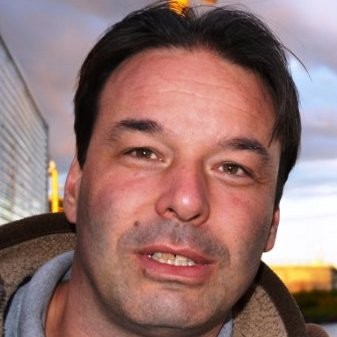
Stef De Haan

Linkedin

Senior scientist on Andean Food Systems

CIP

Stef de Haan has 25 years of experience in agricultural R&D with emphasis on community-level mapping of climate change impacts, agrobiodiversity, land use, food systems, and human nutrition in mountain regions and vulnerable communities. Stef works for the International Potato Center (CIP) and coordinates the Andean Initiative with emphasis on agrobiodiversity conservation and use, participatory climate action, and sustainable food systems. He previously worked with the Dutch development cooperation in the Andean region, International Potato Center in Peru, and International Center for Tropical Agriculture in Vietnam. He holds a PhD in biosystematics and an MSc in agroecology from Wageningen University.


The Lexicon Team

Alberto Miti

Linkedin

Nature-Positive Solutions Producer, Associate Director

Lexicon of Impacts™

Alberto is an associate director at The Lexicon, where he leads impact campaigns (A Greener Blue, Seafood MAP) and multi-stakeholder projects in collaboration with both private and public organizations.

His work leverages evidence-based storytelling, collaborative approaches and story-based design.

Laura Howard-Gayeton

Linkedin

Executive Director

Lexicon of Impacts™

Laura is the co-founder and Executive Director of “The Lexicon”. A social entrepreneur deeply rooted in the environmental movement, she founded Laloo’s, the first goat’s milk ice cream in the United States, a company based on principles informed by food science, water stewardship, animal welfare and the good food movement. Named a top 10 tastemakers by Newsweek, she continues to advise food companies after a successful exit from ice cream. Prior to Laloo’s, Laura worked in television. She founded Slo.Graffiti, a consumer products branding company subsidiary of Palomar Pictures and owns one technical patent for Tunnelvision, a proprietary storytelling system for subway systems. Laura is a graduate of Miami University where she rode for the Equestrian team, and still rides when she isn’t gardening, composting, or pickling something from the farm she shares with her partner Douglas Gayeton. She serves on several nonprofit boards including Womenserve NGO dedicated to improving the lives of women and girls in Rajasthan, India, and Petaluma Bounty, a community farm. She is an active 4H club Mom who is most proud of her 12 year-old daughter who is the Sonoma county Jr. poultry exhibitor champion and the apple of her eye.

Douglas Gayeton headshot - Lexicon of Food

Douglas Gayeton

Linkedin

Chief Investigator

Lexicon of Impacts™

Douglas is an award-winning information architect, filmmaker, photographer and writer.
He directed the KNOW YOUR FOOD series for PBS and GROWING ORGANIC for USDA, MOLOTOV ALVA for HBO, and has authored two books, SLOW: Life in a Tuscan Town, and LOCAL: The New Face of Food & Farming in America.
He is also one of Crop Trust’s Food Forever champions and a visiting professor in the Masters Program at Slow Food’s University of Gastronomic Sciences in Pollenzo, Italy.

Pier Giorgio Provenzano

Linkedin

Head of Digital

Lexicon of Impacts™

Pier Giorgio Provenzano is The Lexicon’s Head of Digital and lead Animator and Video Editor. Based near Bristol, England, his projects include a short film series for PBS, music videos for Napster, a feature-length documentary for HBO, several animated shorts for Warner Brothers and Toyota, short films for Sustainable Food Trust, and GrowEatGather, which showcases British farmers and their role in producing good sustainable food.

Nature Positive Solutions Community

Charles Karangwa

Linkedin

Global Head, Nature-based Solutions

IUCN

Charles Karangwa is the Global Head of Nature-based Solutions (NbS Management Hub) based in Gland, Switzerland. Before joining IUCN HQ, he served as Regional Head of Land Systems, Covering Forests, Drylands, Nature Based Solutions, Sustainable Agriculture at IUCN, Africa Region. He served as Country Representative for Rwanda since January 2016 and was appointed Country Representative for Kenya starting from 1st of June 2022. Charles have led IUCN Work on Land restoration in Africa as part of the Decade of Ecosystem Restoration,  Bonn Challenge and AFR100, he engaged both Governments and Non States actors to bring Africa’s commitments to land restoration up to speed since 2016. In 2020, he joined the COP26 High Level Champion team as the lead for land restoration in Africa and worked to engage private sector and other Non-State Actors for an ambitious climate action to Race to Zero and Race to Resilience by 2050.

With more than 18 years of Experience in interface between sustainable development, conservation, and sustainable finance in Africa and South East Asia, Charles focused his work on Climate Change, sustainable agriculture, biodiversity conservation, nature-based solutions, ecosystem restoration, and sustainable finance. Prior to joining IUCN in 2016, Charles worked for UNHCR, WCS, Oxfam Novib  and Care International.
Charles holds a Master of Business Administration (MBA) from African Leadership University School of Business (ALUSB) with focus on conservation finance, a MSc. in Poverty Reduction, Policy, and Practice with a Focus on Environmental Policies from University of London (SOAS), a PGD in Leadership from Colombia Business School and a Bachelor of Development Studies with focus on Development economics.

Clémence Moinier

Linkedin

Environment and climate specialist

International Fund for Agricultural Development (IFAD)

Clémence is an environment and climate specialist at IFAD, working at the intersection of climate, biodiversity and agriculture. She provides technical advice to mainstream biodiversity and climate resilience in IFAD portfolio across East and Southern Africa and Near East regions. Her work also informs key initiatives such as IFAD’s biodiversity finance tracking methodology, and she is part of FAO’s Agriculture Ecosystem-based Solutions Expert Working Group. Previously, Clémence was a senior consultant in climate adaptation, and led the technical inputs informing countries’ policies under the UNFCCC (Zimbabwe NDC, Uganda LTS, Jordan LTS, EU Adaptation Strategy, etc). She has and MSc in Development Management from the London School of Economics.

Dindo Campilan

Linkedin

Regional Director for Asia

IUCN (Asia)

Dr. Dindo Campilan manages IUCN’s Asia and Oceania regional hub, which serves 48 countries through a network of 15 offices and 300+ staff members. He leads IUCN’s regional portfolio of collaborative projects and activities providing science-based knowledge, tools, and solutions for the conservation and sustainable use of natural resources. IUCN (www.iucn.org) is the world’s largest, oldest, and most diverse environment organization.

Earlier he worked with United Nations agencies and CGIAR international research centers – from Latin America to Asia — in agriculture, food and environment research and development. He served as Asia regional director for the International Center for Tropical Agriculture/Centro Internacional de Agricultura Tropical (CIAT) and as manager/chief technical adviser on sustainable enterprises for the International Labour Organization (ILO).

Dr. Campilan holds a PhD in Agricultural and Environmental Sciences from Wageningen University in The Netherlands.

Dorsa Sheikholeslami

Linkedin

Nature-based Solutions Programme Officer

IUCN

Dorsa is an environmental engineer working on uptake and mainstreaming of NbS in  policy and practice. In her position at IUCN, she focuses on providing high-quality technical  assistance on the sectoral and thematic application of the IUCN Global Standard for NbS, as  well as coordinating NbS attempts with IUCN partners and members. Before joining IUCN, she worked at the Secretariat of the Ramsar Convention on Wetlands, where she was  responsible for the designation and protection of Ramsar Sites, grant management, project  implementation and support of the Contracting Parties in Asia and Oceania Region.

Evelyne Okoth

Linkedin

Founder and Farmer

Kabudi Agoro Community Seedbank

My name is Evelyne Adhiambo Okoth, a 37-year-old mother of three from Kenya and the founder of Kabudi Agoro Community Seedbank. I am a qualified farmer with expertise in indigenous seed conservation and seed bank management, agroecology, and leadership. I have been trained by organizations such as the Alliance of Bioversity International and CIAT, IKEA, and Practical Action.

I have participated in several national and regional events, including the National Seed Fair Competition, organized by the County Government of Kisumu, Seeds Savers Network Kenya, Lattice, and GIZ. Currently, I work as a field assistant with CGIAR on nature-positive solutions. I deeply value farming as a source of income, and my community has greatly benefited from my work.

Through farming, I have had the opportunity to visit various countries. I attended the FAO Governing Board meeting in Rome, Italy; participated in a policy dialogue on the Open Source Seed System in Entebbe, Uganda; joined a workshop on laws regulating access to genetic resources and benefit-sharing at ILRI in Addis Ababa, Ethiopia; and attended a workshop on forgotten foods in Durban, South Africa.

Frank Hawkins

Linkedin

Policy and Finance Advisor

IUCN

Frank is a conservation biologist and policy advisor with many years of experience working with  governments, finance institutions, civil society and local communities in Africa and around the  world. He is currently a policy and finance advisor to IUCN. Frank focuses on the use of natural  capital data in investment decision-making, and on bringing the conservation and finance  communities together to drive changes in international conservation. He was instrumental in  creating the Coalition for Private Investment in Conservation and in developing the Species Threat Abatement and Restoration biodiversity metric.

Until August 2021, Frank was the Director of the IUCN North America office. The office  supports the 120+ members in the region, and works with domestic foundations, international  financial institutions, policy offices and government institutions.

Lulseged Desta

Linkedin

Director, Multifunctional Landscape

Alliance Bioversity International and CIAT

Lulseged Tamene Desta is a Landscape Ecologist with over 15 years of experience in land degradation, spatial prioritization, landscape restoration, sustainable land and water management, ecological intensification, and assessing the performance of ecosystem health. He is interested in socio-ecological process understanding, tipping points, thresholds, analysis of tradeoffs and synergies between system components and interventions. He promotes coupling integrated land management (conservation) and sustainable farming (intensification) objectives to promote synergies and manage tradeoffs.

Earlier in his career, he served as a lecturer at the Mekelle University of Ethiopia teaching Geography, Agroclimatology, Land Use Planning, Geographical Information Systems, and Remote Sensing courses. During his Postdoctoral tenure with the University of Bonn (Center for Development Research, ZEF), he worked in West Africa contributing to the GLOWA Volta project associated with optimizing land use and water management options across space and over time.

After joining the Alliance, Lulseged coordinated various projects such as the Africa Soil Information Service in the Southern Africa region, served as the Dryland Systems CGIAR Research Program (CRP) focal point and contributed to the implementation of the Water, Land and Ecosystems CRP. Currently, he is leading one of the Excellence in Agronomy Initiative Use Cases in Ethiopia and is coordinating the Alliance engagements associated with the Sustainable Intensification of Mixed Farming Systems Initiative.

He is also supporting implementation of Accelerating Impacts of CGIAR Climate Research for Africa, Supporting Soil Health Initiatives in Ethiopia, and many other projects. It is worth mentioning the role played in creating and coordinating a team of over 150 experts willing to support data sharing and/or facilitate the process. This effort led to the development of location-specific, tailored and season-smart fertilizer recommendation tool in Ethiopia, which can be scaled to other regions and countries. Presently, he is the Country Representative for the Alliance in Ethiopia.

Lulseged has acquired BA Degree in Geography from Addis Ababa University (Ethiopia), MSc Degree in Applied Remote Sensing from Cranfield University (UK) and PhD Degree in Landscape Ecology from the Center for Development Research (Germany).

Marie-Aude Even

Linkedin

Senior regional technical specialist, Biodiversity, Environment, Climate, Gender and Social Inclusion Division

International Fund for Agricultural Development (IFAD)

Marie-Aude she joined IFAD in 2019 as the regional agronomist supporting Asia Pacific portfolio. Since 2022, she is coordinating the implementation of IFAD biodiversity strategy across IFAD divisions, supporting mainstreaming of biodiversity in country operations and knowledge products as well as engagement of IFAD in key process and partnership. Prior to that, Marie Aude has over 15 years of experience in development, from managing projects n Ghana, international initiative in FAO and working on foresight as policy analyst in France. Marie-Aude is an agronomist with two masters around development economics, agrarian system studies and agricultural policies.

Martina Fleckstein

Linkedin

Global Policy Director

WWF International

Martina Fleckenstein focuses on conservation, agriculture and sustainable production at national and international level. She previously worked for more than two decades with WWF-Germany as Director, Agriculture & Land Use Change. Among other issues, she worked on sustainability standards, transparency in supply chains, international commodity markets, and sustainable consumption for a range of projects in Southeast Asia, Africa and Latin America.

Natasja Oerlemans

Linkedin

Food Unit Lead

WFF-NL

Natasja Oerlemans works at WWF Netherlands (WNF / Wereld Natuur Fonds). Natasja Oerlemans brings experience from previous roles at Wageningen University & Research. Natasja Oerlemans holds a 1989 – 1995 MSc @ Wageningen University & Research. With a robust skill set that includes Dutch, Rural Development, Sustainability, Sustainable Development, Biodiversity and more.

Rajashree Joshi

Linkedin

Program Director

BAIF Development Research Centre

Dr.Rajashree Joshi is a Program Director, based at the Head Office of BAIF Development Research Foundation (www.baif.org.in).

BAIF is a reputed Indian NGO, committed to the cause of Sustainable Rural Development since past 5 decades.BAIF has successfully introduced many innovative and relevant development models across Indian states. BAIF has positively transformed the lives of underprivileged rural families in India, fostering environmental stewardship and enhancing the overall quality of life of rural communities. BAIF is touching lives of nearly 4 million families across 100,000 villages in 15 states of India through sustainable land, livestock and NRM based livelihood programmes and climate change adaptation and mitigation interventions .The value of increased produce through various programmes of BAIF is over USD 2.5 billion per annum.

Dr Joshi is a Social Scientist and an experienced development professional, having completed her Master’s degree from TISS Mumbai and PhD Degree in Economics from University of Pune. She has extensively worked on participatory, multi-disciplinary and multi sectoral development program models which are directly introduced in field and focusing on, Natural Resource Management, participatory agro biodiversity conservation and revival, innovative livelihood development models in tribal and rural areas, women and development interventions focusing on Women’s skilling, entrepreneurship , enterprise development and convergence of government schemes and Climate actions for resilience building of small land holders. She takes keen interest in food system’s transformation for achieving livelihoods and nutrition goals! Many of these programs are supported by corporates under CSR and by National and International organisations of reput.

Owing to her past 30 years of experience of working on need based, context specific rural development related issues in country, she has emerged as a good blend of academician and a practioner.

Ruth Thomas

Linkedin

Head of Nature-Positive Agriculture

WWF International

Wei Zhang

Linkedin

Senior Research Fellow

IFPRI

Wei Zhang is a Senior Research Fellow and Research Lead on Ecosystem Health and Biodiversity in the Natural Resources and Resilience Unit, International Food Policy Research Institute. She co-leads the CGIAR Research Initiative “Low-Emission Food Systems (Mitigate+)” and directs the “Living Labs for People” Work Package. Wei conducts policy-relevant research at the intersection between agriculture, development, nature/environment, and climate change. Wei has a doctoral degree in Agricultural, Food, and Resource Economics from Michigan State University, a master’s degree in Community Development and Applied Economics from University of Vermont and a bachelor’s degree in international economics from Renmin University of China.

About

The Nature-Positive Solutions platform is produced by The Lexicon with support from CGIAR, the Alliance of Bioversity International and CIAT, IWMI, IFPRI and CIP. Nature-Positive Solutions balance the needs of people and the planet, ensuring long-term ecological benefits, food security and livelihoods.

LEARN MORE

Team

Lexicon of Impacts is based on the Ecological Benefits Framework (EBF). This new paradigm provides a foundational architecture to radically transform global carbon, biodiversity, and ecological benefits markets. Coordinating financial institutions, UN agencies, NGOs, companies, and catalytic capital will bring attention to—and help create—a shared pathway for accelerated solutions, providing economic support for the people and projects that need it most.

LEARN MORE

THE LEXICON

Thelexicon.org

Contact

Donate

DOMAIN AREAS

Nature-Positive Solutions

Coastal Restoration

EBF

This website was built by The Lexicon™, a 501(c)(3) tax-exempt nonprofit organization headquartered in Petaluma, CA.
Check out our Privacy Policy, Cookie Policy, and Terms of Use.

© 2026 – Lexicon of Impacts™

Contact

Please share your comments and questions and get a response from a real person!

Interoperability

This pack focuses on the principles, standards, and components that enable different data systems, tools, and platforms to work together seamlessly. It includes concepts such as data harmonization, metadata standards, APIs, and system integration within CGIAR MELIAF ecosystems.

The pack supports the development of interoperable MELIA systems across programs and geographies, including integration with national systems such as those in Kenya. It is particularly useful to spread a mindset of collaboration and integration, allowing consistent data exchange between partners, improving efficiency, transparency, and comparability of results across projects.

35 Terms
Request Download

Alignment Maturity Level

IA, MEL

Alignment Maturity Level

Stage of development describing how well MELIAF standards, systems and practices are adopted and consistently applied, typically ranging from ad hoc use to fully embedded, continuously improved alignment. ​

[2804]

IA, MEL

Alignment Maturity Level

designed by Olya Batiievska

(Ukraine,

2026)

Definition

Stage of development describing how well MELIAF standards, systems and practices are adopted and consistently applied, typically ranging from ad hoc use to fully embedded, continuously improved alignment. ​

Project Phases

2. Design

Contextual Taxonomies

INTEROPERABILITY

Authors/Reviewers

Request This Icon
Suggest Edit

[2804]

Causal Alignment

F, IA, MEL

Causal Alignment

Consistency between ToCs, indicators, evaluations and impact models regarding how change is expected to occur, ensuring all MELIAF components reflect the same underlying causal logic. ​

[2802]

F, IA, MEL

Causal Alignment

designed by Olya Batiievska

(Ukraine,

2026)

Definition

Consistency between ToCs, indicators, evaluations and impact models regarding how change is expected to occur, ensuring all MELIAF components reflect the same underlying causal logic. ​

Project Phases

2. Design

Contextual Taxonomies

INTEROPERABILITY

Authors/Reviewers

Lex Icon Community
Request This Icon
Suggest Edit

[2802]

Causal Pathway

F, IA, MEL

Causal Pathway

Sequenced chain linking activities, outputs, outcomes and impacts, including intermediate changes and feedbacks, used to visualize and test how interventions are expected to generate results. ​

[2827]

F, IA, MEL

Causal Pathway

designed by Olya Batiievska

(Ukraine,

2026)

Definition

Sequenced chain linking activities, outputs, outcomes and impacts, including intermediate changes and feedbacks, used to visualize and test how interventions are expected to generate results. ​

Project Phases

2. Design

Contextual Taxonomies

INTEROPERABILITY

Authors/Reviewers

Lex Icon Community
Request This Icon
Suggest Edit

[2827]

CGIAR Results Framework

F, IA, MEL

CGIAR Results Framework

Structured hierarchy of impact areas, outcomes and outputs used to organize, monitor and report contributions, ensuring MELIAF data and evaluations align with agreed strategic results architecture. ​

[2820]

F, IA, MEL

CGIAR Results Framework

designed by Nilufer Sen

(Turkey,

2026)

Definition

Structured hierarchy of impact areas, outcomes and outputs used to organize, monitor and report contributions, ensuring MELIAF data and evaluations align with agreed strategic results architecture. ​

Project Phases

2. Design

Contextual Taxonomies

INTEROPERABILITY

Authors/Reviewers

Lex Icon Community
Request This Icon
Suggest Edit

[2820]

Compliance

F, IA, MEL

Compliance

Conformance with agreed standards, protocols, procedures and governance rules that regulate how MELIAF data, indicators, models and evaluations are designed, implemented, shared and reported. ​

[2794]

F, IA, MEL

Compliance

designed by Olya Batiievska

(Ukraine,

2026)

Definition

Conformance with agreed standards, protocols, procedures and governance rules that regulate how MELIAF data, indicators, models and evaluations are designed, implemented, shared and reported. ​

Project Phases

3. Implementation

Contextual Taxonomies

INTEROPERABILITY

Authors/Reviewers

Lex Icon Community
Request This Icon
Suggest Edit

[2794]

Contribution Logic

F, IA, MEL

Contribution Logic

Reasoned explanation of how an intervention influences observed changes, distinguishing contribution from attribution and drawing on evidence and counterfactual thinking in MELIAF. ​

[2829]

F, IA, MEL

Contribution Logic

designed by Olya Batiievska

(Ukraine,

2026)

Definition

Reasoned explanation of how an intervention influences observed changes, distinguishing contribution from attribution and drawing on evidence and counterfactual thinking in MELIAF. ​

Project Phases

2. Design

Contextual Taxonomies

INTEROPERABILITY

Authors/Reviewers

Request This Icon
Suggest Edit

[2829]

Controlled Vocabulary

F, IA, MEL

Controlled Vocabulary

Curated list of allowed terms and definitions for concepts, indicators, themes or tags, used to standardize language and reduce ambiguity in MELIAF data and documentation. ​

[2819]

F, IA, MEL

Controlled Vocabulary

designed by Ana Carolina Nicolau

(Brazil,

2026)

Definition

Curated list of allowed terms and definitions for concepts, indicators, themes or tags, used to standardize language and reduce ambiguity in MELIAF data and documentation. ​

Project Phases

2. Design

Contextual Taxonomies

INTEROPERABILITY

Authors/Reviewers

Request This Icon
Suggest Edit

[2819]

Data Interoperability

F, IA, MEL

Data Interoperability

Capacity of datasets from different sources to be combined, compared and reused without manual rework, thanks to shared formats, identifiers, metadata, semantics and access protocols across MELIAF functions. ​

[2796]

F, IA, MEL

Data Interoperability

designed by Olya Batiievska

(Ukraine,

2026)

Definition

Capacity of datasets from different sources to be combined, compared and reused without manual rework, thanks to shared formats, identifiers, metadata, semantics and access protocols across MELIAF functions. ​

Project Phases

Contextual Taxonomies

INTEROPERABILITY

Authors/Reviewers

Request This Icon
Suggest Edit

[2796]

Design Alignment

F, IA, MEL

Design Alignment

Degree to which plans, ToCs, indicators, data standards and modules are intentionally specified to fit a common reference model, enabling coherent MELIAF implementation across projects and portfolios. ​

[2801]

F, IA, MEL

Design Alignment

designed by Olya Batiievska

(Ukraine,

2026)

Definition

Degree to which plans, ToCs, indicators, data standards and modules are intentionally specified to fit a common reference model, enabling coherent MELIAF implementation across projects and portfolios. ​

Project Phases

2. Design

Contextual Taxonomies

INTEROPERABILITY

Authors/Reviewers

Request This Icon
Suggest Edit

[2801]

Evidence Traceability

F, IA, MEL

Evidence Traceability

Ability to follow reported figures, findings and claims back through models, analyses and datasets to original sources, enabling verification and strengthening credibility of MELIAF products. ​

[2812]

F, IA, MEL

Evidence Traceability

designed by Olya Batiievska

(Ukraine,

2026)

Definition

Ability to follow reported figures, findings and claims back through models, analyses and datasets to original sources, enabling verification and strengthening credibility of MELIAF products. ​

Project Phases

Contextual Taxonomies

INTEROPERABILITY

Authors/Reviewers

Request This Icon
Suggest Edit

[2812]

Governance Interoperability

F, IA, MEL

Governance Interoperability

Compatibility of mandates, decision rules, accountability arrangements and oversight processes that enables multiple institutions to jointly steward MELIAF data, standards and evaluations. ​

[2799]

F, IA, MEL

Governance Interoperability

designed by Olya Batiievska

(Ukraine,

2026)

Definition

Compatibility of mandates, decision rules, accountability arrangements and oversight processes that enables multiple institutions to jointly steward MELIAF data, standards and evaluations. ​

Project Phases

Contextual Taxonomies

INTEROPERABILITY

Authors/Reviewers

Request This Icon
Suggest Edit

[2799]

Integration

F, IA, MEL

Integration

Bringing together data, tools, workflows and governance arrangements so MELIAF activities function as a connected system rather than fragmented, stand‑alone components. ​

[2793]

F, IA, MEL

Integration

designed by Olya Batiievska

(Ukraine,

2026)

Definition

Bringing together data, tools, workflows and governance arrangements so MELIAF activities function as a connected system rather than fragmented, stand‑alone components. ​

Project Phases

Contextual Taxonomies

INTEROPERABILITY

Authors/Reviewers

Request This Icon
Suggest Edit

[2793]

Interoperability

F, IA, MEL

Interoperability

Ability of diverse systems, processes, and actors to exchange, interpret, and use data, concepts, and insights so that monitoring, evaluation, learning, impact assessment and foresight activities operate as a coherent whole. ​

[2792]

F, IA, MEL

Interoperability

designed by Olya Batiievska

(Ukraine,

2026)

Definition

Ability of diverse systems, processes, and actors to exchange, interpret, and use data, concepts, and insights so that monitoring, evaluation, learning, impact assessment and foresight activities operate as a coherent whole. ​

Project Phases

Contextual Taxonomies

INTEROPERABILITY

Authors/Reviewers

Request This Icon
Suggest Edit

[2792]

Interoperability Building Blocks

F, IA, MEL

Interoperability Building Blocks

Foundational elements—standards, identifiers, schemas, APIs, governance rules and capacities—required to make MELIAF data, processes and tools connect, communicate and evolve together. ​

[2803]

F, IA, MEL

Interoperability Building Blocks

designed by Olya Batiievska

(Ukraine,

2026)

Definition

Foundational elements—standards, identifiers, schemas, APIs, governance rules and capacities—required to make MELIAF data, processes and tools connect, communicate and evolve together. ​

Project Phases

Contextual Taxonomies

INTEROPERABILITY

Authors/Reviewers

Request This Icon
Suggest Edit

[2803]

Interoperability Cost Curve

F, IA, MEL

Interoperability Cost Curve

Relationship between level of interoperability achieved and the cumulative resources required, highlighting how early investment in standards and alignment can reduce marginal costs of connecting additional MELIAF systems. ​

[2795]

F, IA, MEL

Interoperability Cost Curve

designed by Olya Batiievska

(Ukraine,

2026)

Definition

Relationship between level of interoperability achieved and the cumulative resources required, highlighting how early investment in standards and alignment can reduce marginal costs of connecting additional MELIAF systems. ​

Project Phases

Contextual Taxonomies

INTEROPERABILITY

Authors/Reviewers

Request This Icon
Suggest Edit

[2795]

Knowledge Graph

F, IA, MEL

Knowledge Graph

Networked representation linking entities, indicators, documents, ToC elements and outcomes via typed relationships, enabling MELIAF users and algorithms to explore and infer connections. ​

[2818]

F, IA, MEL

Knowledge Graph

designed by Nilufer Sen

(Turkey,

2026)

Definition

Networked representation linking entities, indicators, documents, ToC elements and outcomes via typed relationships, enabling MELIAF users and algorithms to explore and infer connections. ​

Project Phases

Contextual Taxonomies

INTEROPERABILITY

Authors/Reviewers

Request This Icon
Suggest Edit

[2818]

Machine-Readable Structure

F, IA, MEL

Machine-Readable Structure

Organization of data and documents into explicit, standardized formats that software can reliably parse, validate and process without manual intervention in MELIAF workflows. ​

[2815]

F, IA, MEL

Machine-Readable Structure

designed by Ana Carolina Nicolau

(Brazil,

2026)

Definition

Organization of data and documents into explicit, standardized formats that software can reliably parse, validate and process without manual intervention in MELIAF workflows. ​

Project Phases

Contextual Taxonomies

INTEROPERABILITY

Authors/Reviewers

Request This Icon
Suggest Edit

[2815]

Metadata Standard

F, IA, MEL

Metadata Standard

Agreed set of fields, formats and vocabularies describing datasets, indicators, models and documents so MELIAF assets are findable, understandable, and reusable by humans and machines. ​

[2808]

F, IA, MEL

Metadata Standard

designed by Olya Batiievska

(Ukraine,

2026)

Definition

Agreed set of fields, formats and vocabularies describing datasets, indicators, models and documents so MELIAF assets are findable, understandable, and reusable by humans and machines. ​

Project Phases

Contextual Taxonomies

INTEROPERABILITY

Authors/Reviewers

Request This Icon
Suggest Edit

[2808]

Minimum Causal Alignment Standard

F, IA, MEL

Minimum Causal Alignment Standard

Baseline requirements for articulating ToCs, causal pathways, assumptions and evidence links so that MELIAF activities consistently express and test shared causal logic. ​

[2807]

F, IA, MEL

Minimum Causal Alignment Standard

designed by Olya Batiievska

(Ukraine,

2026)

Definition

Baseline requirements for articulating ToCs, causal pathways, assumptions and evidence links so that MELIAF activities consistently express and test shared causal logic. ​

Project Phases

Contextual Taxonomies

INTEROPERABILITY

Authors/Reviewers

Request This Icon
Suggest Edit

[2807]

Minimum KPI Data Standard

F, IA, MEL

Minimum KPI Data Standard

Core structure, definitions, disaggregations and metadata required for key performance indicators to ensure comparability, integrity and machine‑readability across MELIAF systems. ​

[2806]

F, IA, MEL

Minimum KPI Data Standard

designed by Olya Batiievska

(Ukraine,

2026)

Definition

Core structure, definitions, disaggregations and metadata required for key performance indicators to ensure comparability, integrity and machine‑readability across MELIAF systems. ​

Project Phases

Contextual Taxonomies

INTEROPERABILITY

Authors/Reviewers

Request This Icon
Suggest Edit

[2806]

Minimum Results Data Standard

MEL

Minimum Results Data Standard

Lean specification of variables, formats and metadata required for reporting results so that monitoring and evaluation data can be aggregated, compared and reused across initiatives.

[2805]

MEL

Minimum Results Data Standard

designed by Olya Batiievska

(Ukraine,

2026)

Definition

Lean specification of variables, formats and metadata required for reporting results so that monitoring and evaluation data can be aggregated, compared and reused across initiatives.

Project Phases

Contextual Taxonomies

INTEROPERABILITY

Authors/Reviewers

Request This Icon
Suggest Edit

[2805]

Ontology

F, IA, MEL

Ontology

Formally specified set of concepts, relationships and rules describing a domain, providing a machine‑interpretable backbone for MELIAF data integration, reasoning and advanced queries. ​

[2817]

F, IA, MEL

Ontology

designed by Ana Carolina Nicolau

(Brazil,

2026)

Definition

Formally specified set of concepts, relationships and rules describing a domain, providing a machine‑interpretable backbone for MELIAF data integration, reasoning and advanced queries. ​

Project Phases

Contextual Taxonomies

INTEROPERABILITY

Authors/Reviewers

Request This Icon
Suggest Edit

[2817]

Process Interoperability

F, IA, MEL

Process Interoperability

Extent to which MELIAF workflows, timelines and decision procedures can interact and synchronize across initiatives, enabling joint planning, shared reviews and consistent reporting with minimal friction. ​

[2797]

F, IA, MEL

Process Interoperability

designed by Olya Batiievska

(Ukraine,

2026)

Definition

Extent to which MELIAF workflows, timelines and decision procedures can interact and synchronize across initiatives, enabling joint planning, shared reviews and consistent reporting with minimal friction. ​

Project Phases

Contextual Taxonomies

INTEROPERABILITY

Authors/Reviewers

Request This Icon
Suggest Edit

[2797]

Product Interoperability

F, IA, MEL

Product Interoperability

Ability of tools, dashboards, models, reports and evaluation products to plug into each other’s data structures, semantics and interfaces, allowing reuse and composition in MELIAF workflows. ​

[2798]

F, IA, MEL

Product Interoperability

designed by Olya Batiievska

(Ukraine,

2026)

Definition

Ability of tools, dashboards, models, reports and evaluation products to plug into each other’s data structures, semantics and interfaces, allowing reuse and composition in MELIAF workflows. ​

Project Phases

Contextual Taxonomies

INTEROPERABILITY

Authors/Reviewers

Request This Icon
Suggest Edit

[2798]

Results Type

F, IA, MEL

Results Type

Category describing a point along the results chain—such as input, activity, output, outcome or impact—used to classify indicators, data and findings in MELIAF systems.

[2822]

F, IA, MEL

Results Type

designed by Ana Carolina Nicolau

(Brazil,

2026)

Definition

Category describing a point along the results chain—such as input, activity, output, outcome or impact—used to classify indicators, data and findings in MELIAF systems.

Project Phases

Contextual Taxonomies

INTEROPERABILITY

Authors/Reviewers

Request This Icon
Suggest Edit

[2822]

Schema

F, IA, MEL

Schema

Formal structural blueprint describing entities, fields, relationships and constraints in a dataset or database, providing a shared template for MELIAF data creation, storage and exchange. ​

[2813]

F, IA, MEL

Schema

designed by Ana Carolina Nicolau

(Brazil,

2026)

Definition

Formal structural blueprint describing entities, fields, relationships and constraints in a dataset or database, providing a shared template for MELIAF data creation, storage and exchange. ​

Project Phases

Contextual Taxonomies

INTEROPERABILITY

Authors/Reviewers

Request This Icon
Suggest Edit

[2813]

Schema-Conformant Data

F, IA, MEL

Schema-Conformant Data

Records that follow an agreed schema’s field definitions, types, relationships and constraints, enabling automated validation, integration and analysis across MELIAF systems. ​

[2814]

F, IA, MEL

Schema-Conformant Data

designed by Ana Carolina Nicolau

(Brazil,

2026)

Definition

Records that follow an agreed schema’s field definitions, types, relationships and constraints, enabling automated validation, integration and analysis across MELIAF systems. ​

Project Phases

Contextual Taxonomies

INTEROPERABILITY

Authors/Reviewers

Request This Icon
Suggest Edit

[2814]

Semantic Layer

F, IA, MEL

Semantic Layer

Shared conceptual representation that maps data fields, indicators and entities to well‑defined meanings, enabling consistent interpretation and integration across MELIAF tools and datasets. ​

[2816]

F, IA, MEL

Semantic Layer

designed by Ana Carolina Nicolau

(Brazil,

2026)

Definition

Shared conceptual representation that maps data fields, indicators and entities to well‑defined meanings, enabling consistent interpretation and integration across MELIAF tools and datasets. ​

Project Phases

Contextual Taxonomies

INTEROPERABILITY

Authors/Reviewers

Request This Icon
Suggest Edit

[2816]

Shared Impact Logic

F, IA, MEL

Shared Impact Logic

Commonly agreed narrative and diagram of how activities, outputs and outcomes are expected to contribute to long‑term impacts, serving as a reference for MELIAF planning and assessment. ​

[2821]

F, IA, MEL

Shared Impact Logic

designed by Olya Batiievska

(Ukraine,

2026)

Definition

Commonly agreed narrative and diagram of how activities, outputs and outcomes are expected to contribute to long‑term impacts, serving as a reference for MELIAF planning and assessment. ​

Project Phases

Contextual Taxonomies

INTEROPERABILITY

Authors/Reviewers

Request This Icon
Suggest Edit

[2821]

Target

F, IA, MEL

Target

Specific, time‑bound value set for an indicator, expressing expected performance and guiding planning, monitoring and accountability within MELIAF. ​

[2826]

F, IA, MEL

Target

designed by Ana Carolina Nicolau

(Brazil,

2026)

Definition

Specific, time‑bound value set for an indicator, expressing expected performance and guiding planning, monitoring and accountability within MELIAF. ​

Project Phases

Contextual Taxonomies

INTEROPERABILITY

Authors/Reviewers

Request This Icon
Suggest Edit

[2826]

Taxonomic Coherence

F, IA, MEL

Taxonomic Coherence

Consistency and non‑overlap of terms, categories and indicator labels so that MELIAF data, ToCs and reports use a shared conceptual vocabulary across scales and disciplines. ​

[2800]

F, IA, MEL

Taxonomic Coherence

designed by Olya Batiievska

(Ukraine,

2026)

Definition

Consistency and non‑overlap of terms, categories and indicator labels so that MELIAF data, ToCs and reports use a shared conceptual vocabulary across scales and disciplines. ​

Project Phases

Contextual Taxonomies

INTEROPERABILITY

Authors/Reviewers

Request This Icon
Suggest Edit

[2800]

Tier A Indicator

F, IA, MEL

Tier A Indicator

High‑level, often system‑wide metric that tracks progress on priority outcomes or impacts and is mandatory for aggregation and external accountability within MELIAF. ​

[2823]

F, IA, MEL

Tier A Indicator

designed by Ana Carolina Nicolau

(Brazil,

2026)

Definition

High‑level, often system‑wide metric that tracks progress on priority outcomes or impacts and is mandatory for aggregation and external accountability within MELIAF. ​

Project Phases

Contextual Taxonomies

INTEROPERABILITY

Authors/Reviewers

Frank Place, Jim Hammond
Request This Icon
Suggest Edit

[2823]

Tier B Indicator

F, IA, MEL

Tier B Indicator

Intermediate‑level metric that supports comparative analysis across programs or regions, offering flexibility while retaining alignment with the overarching results framework. ​

[2824]

F, IA, MEL

Tier B Indicator

designed by Ana Carolina Nicolau

(Brazil,

2026)

Definition

Intermediate‑level metric that supports comparative analysis across programs or regions, offering flexibility while retaining alignment with the overarching results framework. ​

Project Phases

Contextual Taxonomies

INTEROPERABILITY

Authors/Reviewers

Frank Place, Jim Hammond
Request This Icon
Suggest Edit

[2824]

Tier C Indicator

F, IA, MEL

Tier C Indicator

Context‑specific metric tailored to project or initiative needs, supporting local learning and management while remaining mappable to higher‑tier indicators when needed. ​

[2825]

F, IA, MEL

Tier C Indicator

designed by Ana Carolina Nicolau

(Brazil,

2026)

Definition

Context‑specific metric tailored to project or initiative needs, supporting local learning and management while remaining mappable to higher‑tier indicators when needed. ​

Project Phases

Contextual Taxonomies

INTEROPERABILITY

Authors/Reviewers

Frank Place, Jim Hammond
Request This Icon
Suggest Edit

[2825]

ToC–PB Linkage

F, IA, MEL

ToC–PB Linkage

Explicit mapping between elements of a Theory of Change and projected benefits in quantitative models, ensuring consistency between narrative causal logic and forward‑looking analysis. ​

[2832]

F, IA, MEL

ToC–PB Linkage

designed by Nilufer Sen

(Turkey,

2026)

Definition

Explicit mapping between elements of a Theory of Change and projected benefits in quantitative models, ensuring consistency between narrative causal logic and forward‑looking analysis. ​

Project Phases

Contextual Taxonomies

INTEROPERABILITY

Authors/Reviewers

Request This Icon
Suggest Edit

[2832]

Scaling & Innovation

This thematic pack covers concepts, terminology, and visual elements related to the design, testing, and scaling of innovations within agrifood systems. It includes terms such as innovation bundles, TRL, scaling pathways, and usage models, with attention to enabling environments and partnerships. The pack supports users in illustrating how innovations move from research to widespread uptake across diverse contexts.

It can be used in MELIAF-aligned reporting, proposal design, and learning products to show how innovations are introduced, refined, and expanded. It is also useful in interactive dashboards and pathway visualizations that track adoption levels, scaling readiness, and systemic change over time.

14 Terms
Request Download

Complementary Innovations

IA, MEL

Complementary Innovations

Innovations, solutions or conditions that are necessary to scale core innovations.

[2404]

IA, MEL

Complementary Innovations

designed by Olya Batiievska

(Ukraine,

2025)

Definition

Innovations, solutions or conditions that are necessary to scale core innovations.

Project Phases

2. Design3. Implementation

Contextual Taxonomies

SCALING AND INNOVATION

Authors/Reviewers

Angela Gimenez Barrera, Brian Belcher, Elizabeth Sweitzer, Enrico Bonaiuti, Julien Colomer, Karen Jay-Yina, Keith Child, Laura Reumann, Marc Schut, Porsha Stiger, Svetlana Negroustoueva, Tonya Schuetz
Request This Icon
Suggest Edit

[2404]

Core Innovations

IA, MEL

Core Innovations

Innovations that are at the heart of initiatives/ interventions and that are expected to contribute to transformation and impact at scale.

[2408]

IA, MEL

Core Innovations

designed by Olya Batiievska

(Ukraine,

2025)

Definition

Innovations that are at the heart of initiatives/ interventions and that are expected to contribute to transformation and impact at scale.

Project Phases

2. Design3. Implementation

Contextual Taxonomies

SCALING AND INNOVATION

Authors/Reviewers

Angela Gimenez Barrera, Brian Belcher, Elizabeth Sweitzer, Enrico Bonaiuti, Julien Colomer, Karen Jay-Yina, Keith Child, Laura Reumann, Marc Schut, Porsha Stiger, Svetlana Negroustoueva, Tonya Schuetz
Request This Icon
Suggest Edit

[2408]

Innovation

F, IA, MEL

Innovation

New, improved, or adapted outputs or groups of outputs such as products, technologies, services, organizational and institutional arrangements with high potential to contribute to positive impacts when used at scale.

[2453]

F, IA, MEL

Innovation

designed by Olya Batiievska

(Ukraine,

2025)

Definition

New, improved, or adapted outputs or groups of outputs such as products, technologies, services, organizational and institutional arrangements with high potential to contribute to positive impacts when used at scale.

Project Phases

0. Core Term

Contextual Taxonomies

CORE MELIA TERMSSCALING AND INNOVATION

Authors/Reviewers

Angela Gimenez Barrera, Brian Belcher, Elizabeth Sweitzer, Enrico Bonaiuti, Julien Colomer, Karen Jay-Yina, Keith Child, Laura Reumann, Marc Schut, Porsha Stiger, Svetlana Negroustoueva, Tonya Schuetz
Request This Icon
Suggest Edit

[2453]

Innovation Package

F, IA, MEL

Innovation Package

Combinations of interrelated innovations and enabling conditions that, together, can lead to transformation and impact at scale in the CGIAR research delivery hierarchy.

[2454]

F, IA, MEL

Innovation Package

designed by Olya Batiievska

(Ukraine,

2025)

Definition

Combinations of interrelated innovations and enabling conditions that, together, can lead to transformation and impact at scale in the CGIAR research delivery hierarchy.

Project Phases

2. Design3. Implementation

Contextual Taxonomies

SCALING AND INNOVATION

Authors/Reviewers

Angela Gimenez Barrera, Brian Belcher, Elizabeth Sweitzer, Enrico Bonaiuti, Julien Colomer, Karen Jay-Yina, Keith Child, Laura Reumann, Marc Schut, Porsha Stiger, Svetlana Negroustoueva, Tonya Schuetz
Request This Icon
Suggest Edit

[2454]

Innovation Partner

F, IA, MEL

Innovation Partner

Organizations or entities that CGIAR collaborates and co-invests with to improve the readiness of innovations to contribute to impact at scale.

[2455]

F, IA, MEL

Innovation Partner

designed by Olya Batiievska

(Ukraine,

2025)

Definition

Organizations or entities that CGIAR collaborates and co-invests with to improve the readiness of innovations to contribute to impact at scale.

Project Phases

2. Design3. Implementation

Contextual Taxonomies

SCALING AND INNOVATION

Authors/Reviewers

Angela Gimenez Barrera, Brian Belcher, Elizabeth Sweitzer, Enrico Bonaiuti, Julien Colomer, Karen Jay-Yina, Keith Child, Laura Reumann, Marc Schut, Porsha Stiger, Svetlana Negroustoueva, Tonya Schuetz
Request This Icon
Suggest Edit

[2455]

Innovation Readiness

F, IA, MEL

Innovation Readiness

A metric used to assess the maturity of an innovation, with a scale ranging from the idea (lowest level) to validated under uncontrolled conditions (highest level).

[2456]

F, IA, MEL

Innovation Readiness

designed by Olya Batiievska

(Ukraine,

2025)

Definition

A metric used to assess the maturity of an innovation, with a scale ranging from the idea (lowest level) to validated under uncontrolled conditions (highest level).

Project Phases

3. Implementation4. Analysis

Contextual Taxonomies

SCALING AND INNOVATION

Authors/Reviewers

Angela Gimenez Barrera, Brian Belcher, Elizabeth Sweitzer, Enrico Bonaiuti, Julien Colomer, Karen Jay-Yina, Keith Child, Laura Reumann, Marc Schut, Porsha Stiger, Svetlana Negroustoueva, Tonya Schuetz
Request This Icon
Suggest Edit

[2456]

Innovation Stages

F, IA, MEL

Innovation Stages

Number of research and development innovations by stage, where the stages are: i) end of research phase (discovery/proof of concept); ii) end of piloting phase (if relevant); iii) available for uptake; iv) uptake by next user.

[2457]

F, IA, MEL

Innovation Stages

designed by Olya Batiievska

(Ukraine,

2025)

Definition

Number of research and development innovations by stage, where the stages are: i) end of research phase (discovery/proof of concept); ii) end of piloting phase (if relevant); iii) available for uptake; iv) uptake by next user.

Project Phases

3. Implementation4. Analysis

Contextual Taxonomies

SCALING AND INNOVATION

Authors/Reviewers

Angela Gimenez Barrera, Brian Belcher, Elizabeth Sweitzer, Enrico Bonaiuti, Julien Colomer, Karen Jay-Yina, Keith Child, Laura Reumann, Marc Schut, Porsha Stiger, Svetlana Negroustoueva, Tonya Schuetz
Request This Icon
Suggest Edit

[2457]

Innovation Use

F, IA, MEL

Innovation Use

A metric used to assess the extent to which an innovation is already being used, by which type of users and under which conditions, with a scale ranging from no use (lowest level) to common use (highest level).

[2458]

F, IA, MEL

Innovation Use

designed by Olya Batiievska

(Ukraine,

2025)

Definition

A metric used to assess the extent to which an innovation is already being used, by which type of users and under which conditions, with a scale ranging from no use (lowest level) to common use (highest level).

Project Phases

3. Implementation4. Analysis

Contextual Taxonomies

SCALING AND INNOVATION

Authors/Reviewers

Angela Gimenez Barrera, Brian Belcher, Elizabeth Sweitzer, Enrico Bonaiuti, Julien Colomer, Karen Jay-Yina, Keith Child, Laura Reumann, Marc Schut, Porsha Stiger, Svetlana Negroustoueva, Tonya Schuetz
Request This Icon
Suggest Edit

[2458]

Scaling

F, IA, MEL

Scaling

Investments, strategies and processes aimed at increasing innovation readiness and/ or innovation use to contribute to positive impacts at scale.

[2525]

F, IA, MEL

Scaling

designed by Nilufer Sen

(Turkey,

2025)

Definition

Investments, strategies and processes aimed at increasing innovation readiness and/ or innovation use to contribute to positive impacts at scale.

Project Phases

2. Design3. Implementation

Contextual Taxonomies

SCALING AND INNOVATION

Authors/Reviewers

Angela Gimenez Barrera, Brian Belcher, Elizabeth Sweitzer, Enrico Bonaiuti, Julien Colomer, Karen Jay-Yina, Keith Child, Laura Reumann, Marc Schut, Porsha Stiger, Svetlana Negroustoueva, Tonya Schuetz
Request This Icon
Suggest Edit

[2525]

Scaling & Policy Tracing Study

IA

Scaling & Policy Tracing Study

Tracks how innovations, evidence, or policy advice move through next user/boundary partner institutions and systems to support long-term impact pathways.

[2705]

IA

Scaling & Policy Tracing Study

designed by Nilufer Sen

(Turkey,

2026)

Definition

Tracks how innovations, evidence, or policy advice move through next user/boundary partner institutions and systems to support long-term impact pathways.

Project Phases

1. Proposal5. Sharing

Contextual Taxonomies

SCALING AND INNOVATION

Authors/Reviewers

Amy Beaudreault, James Stevenson, Julien Colomer, Marie-Angélique Laporte, Swetha Ramachandran
Request This Icon
Suggest Edit

[2705]

Scaling Partner

F, IA, MEL

Scaling Partner

Organizations or entities that CGIAR collaborates with to advance the uptake and use of innovations at scale.

[2526]

F, IA, MEL

Scaling Partner

designed by Nilufer Sen

(Turkey,

2025)

Definition

Organizations or entities that CGIAR collaborates with to advance the uptake and use of innovations at scale.

Project Phases

2. Design3. Implementation

Contextual Taxonomies

SCALING AND INNOVATION

Authors/Reviewers

Angela Gimenez Barrera, Brian Belcher, Elizabeth Sweitzer, Enrico Bonaiuti, Julien Colomer, Karen Jay-Yina, Keith Child, Laura Reumann, Marc Schut, Porsha Stiger, Svetlana Negroustoueva, Tonya Schuetz
Request This Icon
Suggest Edit

[2526]

Scaling Readiness

F, IA, MEL

Scaling Readiness

Organizations or entities that CGIAR collaborates with to advance the uptake and use of innovations at scale.

[2527]

F, IA, MEL

Scaling Readiness

designed by Nilufer Sen

(Turkey,

2025)

Definition

Organizations or entities that CGIAR collaborates with to advance the uptake and use of innovations at scale.

Project Phases

3. Implementation4. Analysis

Contextual Taxonomies

SCALING AND INNOVATION

Authors/Reviewers

Angela Gimenez Barrera, Brian Belcher, Elizabeth Sweitzer, Enrico Bonaiuti, Julien Colomer, Karen Jay-Yina, Keith Child, Laura Reumann, Marc Schut, Porsha Stiger, Svetlana Negroustoueva, Tonya Schuetz
Request This Icon
Suggest Edit

[2527]

Scaling Readiness Approach

F, IA, MEL

Scaling Readiness Approach

Metric that combines single or average innovation readiness and innovation use scores at innovation package or portfolio level.

[2528]

F, IA, MEL

Scaling Readiness Approach

designed by Nilufer Sen

(Turkey,

2025)

Definition

Metric that combines single or average innovation readiness and innovation use scores at innovation package or portfolio level.

Project Phases

2. Design3. Implementation

Contextual Taxonomies

SCALING AND INNOVATION

Authors/Reviewers

Angela Gimenez Barrera, Brian Belcher, Elizabeth Sweitzer, Enrico Bonaiuti, Julien Colomer, Karen Jay-Yina, Keith Child, Laura Reumann, Marc Schut, Porsha Stiger, Svetlana Negroustoueva, Tonya Schuetz
Request This Icon
Suggest Edit

[2528]

Scaling Readiness Portfolio Management

F, IA, MEL

Scaling Readiness Portfolio Management

Evidence-based approach to support the design, implementation, monitoring and evaluation of strategies to increase readiness and use of innovations at innovation package and/or portfolio level.

[2529]

F, IA, MEL

Scaling Readiness Portfolio Management

designed by Nilufer Sen

(Turkey,

2025)

Definition

Evidence-based approach to support the design, implementation, monitoring and evaluation of strategies to increase readiness and use of innovations at innovation package and/or portfolio level.

Project Phases

2. Design4. Analysis

Contextual Taxonomies

SCALING AND INNOVATION

Authors/Reviewers

Angela Gimenez Barrera, Brian Belcher, Elizabeth Sweitzer, Enrico Bonaiuti, Julien Colomer, Karen Jay-Yina, Keith Child, Laura Reumann, Marc Schut, Porsha Stiger, Svetlana Negroustoueva, Tonya Schuetz
Request This Icon
Suggest Edit

[2529]

Impact Areas

These are the major domains of long-term change targeted by CGIAR. It includes standardized terminology and icons that align with CGIAR impact frameworks.

The pack is useful for showing strategies, aligning projects with CGIAR-wide priorities, and communicating contributions to global goals. It can be used in reports, proposals, and visual tools to map how activities and outcomes contribute to specific impact areas.

5 Terms
Request Download

Climate Change Adaptation and Mitigation

F, IA, MEL

Climate Change Adaptation and Mitigation

Improving small-scale producers’ resilience and reducing greenhouse gas emissions from food systems.

[2983]

F, IA, MEL

Climate Change Adaptation and Mitigation

designed by Olya Batiievska

(Ukraine,

2026)

Definition

Improving small-scale producers’ resilience and reducing greenhouse gas emissions from food systems.

Project Phases

Contextual Taxonomies

IMPACT AREAS

Authors/Reviewers

Lex Icon Community
Request This Icon
Suggest Edit

[2983]

Environmental Health & Biodiversity

F, IA, MEL

Environmental Health & Biodiversity

Increasing productivity in food systems while staying within environmental boundaries and maintaining biodiversity.

[2984]

F, IA, MEL

Environmental Health & Biodiversity

designed by Olya Batiievska

(Ukraine,

2026)

Definition

Increasing productivity in food systems while staying within environmental boundaries and maintaining biodiversity.

Project Phases

Contextual Taxonomies

IMPACT AREAS

Authors/Reviewers

Request This Icon
Suggest Edit

[2984]

Gender Equality, Youth, and Social Inclusion

F, IA, MEL

Gender Equality, Youth, and Social Inclusion

Closing the gender gap and enhancing opportunities for youth in food, land, and water systems.

[2985]

F, IA, MEL

Gender Equality, Youth, and Social Inclusion

designed by Olya Batiievska

(Ukraine,

2026)

Definition

Closing the gender gap and enhancing opportunities for youth in food, land, and water systems.

Project Phases

Contextual Taxonomies

IMPACT AREAS

Authors/Reviewers

Request This Icon
Suggest Edit

[2985]

Nutrition, Health, and Food Security

F, IA, MEL

Nutrition, Health, and Food Security

Ending hunger and enabling safe, affordable, healthy diets for the world’s most vulnerable people.

[2986]

F, IA, MEL

Nutrition, Health, and Food Security

designed by Olya Batiievska

(Ukraine,

2026)

Definition

Ending hunger and enabling safe, affordable, healthy diets for the world’s most vulnerable people.

Project Phases

Contextual Taxonomies

IMPACT AREAS

Authors/Reviewers

Request This Icon
Suggest Edit

[2986]

Poverty Reduction, Livelihoods & Jobs

F, IA, MEL

Poverty Reduction, Livelihoods & Jobs

Building on a 50-year track record of lifting millions out of poverty.

[2987]

F, IA, MEL

Poverty Reduction, Livelihoods & Jobs

designed by Olya Batiievska

(Ukraine,

2026)

Definition

Building on a 50-year track record of lifting millions out of poverty.

Project Phases

Contextual Taxonomies

IMPACT AREAS

Authors/Reviewers

Request This Icon
Suggest Edit

[2987]

Data & Datasets

This pack focuses on the types, sources, and management of data used within MELIAF systems, including datasets, data governance, and quality standards. It includes terminology and icons related to data collection, storage, sharing, and analysis.

This collection can be used in MEL Plans, dashboards, and documentation to represent data flows and assets.

29 Terms
Request Download

Agronomic Logbook

MEL

Agronomic Logbook

Documentation kept by farmers or field staff recording agronomic activities, inputs, and outputs over time to generate detailed panel data at the plot level.

[2620]

MEL

Agronomic Logbook

designed by Olya Batiievska

(Ukraine,

2026)

Definition

Documentation kept by farmers or field staff recording agronomic activities, inputs, and outputs over time to generate detailed panel data at the plot level.

Project Phases

2. Design3. Implementation

Contextual Taxonomies

DATA & DATASETS

Authors/Reviewers

Alan De Brauw, Alessandra Galiè, Allison Smith, Ibtissem Jouini, Ireny Khella, Lucy Njuguna, Najeeb Ullah, Rose Chesoli
Request This Icon
Suggest Edit

[2620]

Available Data Inventory

IA

Available Data Inventory

Structured listing of existing datasets, their characteristics, and accessibility that guide new data collection and help researchers avoid duplication.

[2682]

IA

Available Data Inventory

designed by Olya Batiievska

(Ukraine,

2026)

Definition

Structured listing of existing datasets, their characteristics, and accessibility that guide new data collection and help researchers avoid duplication.

Project Phases

2. Design4. Analysis

Contextual Taxonomies

DATA & DATASETS

Authors/Reviewers

Berber Kramer, Bronagh Woods, Keith Weibe, Marc Schut, Nedumaran Swamikannu
Request This Icon
Suggest Edit

[2682]

Clean Dataset

F, IA, MEL

Clean Dataset

A ready-for-analysis dataset that has been checked and corrected for errors, inconsistencies, and missing values.

[2688]

F, IA, MEL

Clean Dataset

designed by Olya Batiievska

(Ukraine,

2026)

Definition

A ready-for-analysis dataset that has been checked and corrected for errors, inconsistencies, and missing values.

Project Phases

2. Design3. Implementation

Contextual Taxonomies

DATA & DATASETS

Authors/Reviewers

Alan De Brauw, Alessandra Galiè, Allison Smith, Ibtissem Jouini, Ireny Khella, Lucy Njuguna, Najeeb Ullah, Rose Chesoli
Request This Icon
Suggest Edit

[2688]

Continuous Data Validation

F, IA, MEL

Continuous Data Validation

Ongoing verification of incoming data for completeness, consistency, and plausibility throughout collection and entry. Continuous data validation can be used to safeguard data quality before analysis.

[2629]

F, IA, MEL

Continuous Data Validation

designed by Olya Batiievska

(Ukraine,

2026)

Definition

Ongoing verification of incoming data for completeness, consistency, and plausibility throughout collection and entry. Continuous data validation can be used to safeguard data quality before analysis.

Project Phases

4. Analysis

Contextual Taxonomies

DATA & DATASETS

Authors/Reviewers

Alan De Brauw, Alessandra Galiè, Allison Smith, Ibtissem Jouini, Ireny Khella, Lucy Njuguna, Najeeb Ullah, Rose Chesoli
Request This Icon
Suggest Edit

[2629]

Data Analysis

F, IA, MEL

Data Analysis

Systematic processing and examination of collected qualitative, quantitative, and administrative data to identify and organize patterns within sources or samples (such as people, plants, animals, crops, soils, economics, climate, or water systems).

[2679]

F, IA, MEL

Data Analysis

designed by Olya Batiievska

(Ukraine,

2026)

Definition

Systematic processing and examination of collected qualitative, quantitative, and administrative data to identify and organize patterns within sources or samples (such as people, plants, animals, crops, soils, economics, climate, or water systems).

Project Phases

4. Analysis

Contextual Taxonomies

DATA & DATASETS

Authors/Reviewers

Diana Milena Lopez Avila, Enrico Bonaiuti, Holger Meinke, Natalia Ortiz, Rachel Claus
Request This Icon
Suggest Edit

[2679]

Data and Assumptions Plan

F

Data and Assumptions Plan

An outline of required datasets, base parameter values, resolution scales, and scenario assumptions, including sources, normalization methods, validation, and quality checks that serves as the basis for implementing simulation model runs. Data and assumptions plan plans help modeling teams coordinate data acquisition and support transparency and replicability when developing simulation models and generating scenarios.

[2592]

F

Data and Assumptions Plan

designed by Olya Batiievska

(Ukraine,

2026)

Definition

An outline of required datasets, base parameter values, resolution scales, and scenario assumptions, including sources, normalization methods, validation, and quality checks that serves as the basis for implementing simulation model runs. Data and assumptions plan plans help modeling teams coordinate data acquisition and support transparency and replicability when developing simulation models and generating scenarios.

Project Phases

3. Implementation

Contextual Taxonomies

DATA & DATASETSFORESIGHT

Authors/Reviewers

Brian Belcher, Evelyne Okoth, Jim Hammond, Mansi Tripathi, Nicoleta Trifa, Nils Teufel, Timothy Sulser
Request This Icon
Suggest Edit

[2592]

Data Assets (information products)

F, IA, MEL

Data Assets (information products)

Intellectual Assets that are raw or manipulated datasets and information products produced by CGIAR, as outputs of CGIAR’s research and development activities.

[2415]

F, IA, MEL

Data Assets (information products)

designed by Olya Batiievska

(Ukraine,

2025)

Definition

Intellectual Assets that are raw or manipulated datasets and information products produced by CGIAR, as outputs of CGIAR’s research and development activities.

Project Phases

3. Implementation5. Sharing

Contextual Taxonomies

DATA & DATASETS

Authors/Reviewers

Angela Gimenez Barrera, Brian Belcher, Elizabeth Sweitzer, Enrico Bonaiuti, Julien Colomer, Karen Jay-Yina, Keith Child, Laura Reumann, Marc Schut, Porsha Stiger, Svetlana Negroustoueva, Tonya Schuetz
Request This Icon
Suggest Edit

[2415]

Data Collection

F, IA, MEL

Data Collection

The process of using defined tools and protocols to systematically gather both measurements and observations about study system variables like people, plants, animals, crops, soils, economics, climate, or water systems.

[2680]

F, IA, MEL

Data Collection

designed by Olya Batiievska

(Ukraine,

2026)

Definition

The process of using defined tools and protocols to systematically gather both measurements and observations about study system variables like people, plants, animals, crops, soils, economics, climate, or water systems.

Project Phases

2. Design3. Implementation

Contextual Taxonomies

DATA & DATASETS

Authors/Reviewers

Alan De Brauw, Alessandra Galiè, Allison Smith, Ibtissem Jouini, Ireny Khella, Lucy Njuguna, Najeeb Ullah, Rose Chesoli
Request This Icon
Suggest Edit

[2680]

Data Collection Methods

F, IA, MEL

Data Collection Methods

Techniques or approaches determined through methodological design that define how information is/will be gathered from different sources or samples (such as people, plants, animals, crops, soils, economics, climate, or water systems).

[2631]

F, IA, MEL

Data Collection Methods

designed by Olya Batiievska

(Ukraine,

2026)

Definition

Techniques or approaches determined through methodological design that define how information is/will be gathered from different sources or samples (such as people, plants, animals, crops, soils, economics, climate, or water systems).

Project Phases

2. Design3. Implementation

Contextual Taxonomies

DATA & DATASETS

Authors/Reviewers

Diana Milena Lopez Avila, Enrico Bonaiuti, Holger Meinke, Natalia Ortiz, Rachel Claus
Request This Icon
Suggest Edit

[2631]

Data Collection Tools

F, IA, MEL

Data Collection Tools

Specific instruments, devices, or guidelines that are used to to capture and record data from sources or samples (such as people, plants, animals, crops, soils, economics, climate, or water systems) is gathered. Data collection tools operationalize data collection methods and may include questionnaires, interview guides, observation checklists, sensors, and data.

[2632]

F, IA, MEL

Data Collection Tools

designed by Olya Batiievska

(Ukraine,

2026)

Definition

Specific instruments, devices, or guidelines that are used to to capture and record data from sources or samples (such as people, plants, animals, crops, soils, economics, climate, or water systems) is gathered. Data collection tools operationalize data collection methods and may include questionnaires, interview guides, observation checklists, sensors, and data.

Project Phases

2. Design3. Implementation

Contextual Taxonomies

DATA & DATASETS

Authors/Reviewers

Diana Milena Lopez Avila, Enrico Bonaiuti, Holger Meinke, Natalia Ortiz, Rachel Claus
Request This Icon
Suggest Edit

[2632]

Data Quality Assurance

IA, MEL

Data Quality Assurance

Activities concerned with assessing and improving the merit or worth of data collection, aggregation, cleaning, and management, as well as its compliance with given standards.

[2621]

IA, MEL

Data Quality Assurance

designed by Olya Batiievska

(Ukraine,

2026)

Definition

Activities concerned with assessing and improving the merit or worth of data collection, aggregation, cleaning, and management, as well as its compliance with given standards.

Project Phases

3. Implementation4. Analysis

Contextual Taxonomies

DATA & DATASETS

Authors/Reviewers

Alan De Brauw, Alessandra Galiè, Allison Smith, Ibtissem Jouini, Ireny Khella, Lucy Njuguna, Najeeb Ullah, Rose Chesoli
Request This Icon
Suggest Edit

[2621]

Dataset Harmonization

MEL

Dataset Harmonization

Aligning variables, formats, units, and coding schemes across datasets to create interoperability and allow for combination or comparison. Harmonization is crucial for meta‑analysis and global or regional modeling.

[2681]

MEL

Dataset Harmonization

designed by Ana Carolina Nicolau

(Brazil,

2026)

Definition

Aligning variables, formats, units, and coding schemes across datasets to create interoperability and allow for combination or comparison. Harmonization is crucial for meta‑analysis and global or regional modeling.

Project Phases

3. Implementation

Contextual Taxonomies

DATA & DATASETS

Authors/Reviewers

Berber Kramer, Bronagh Woods, Keith Weibe, Marc Schut, Nedumaran Swamikannu
Request This Icon
Suggest Edit

[2681]

Farmer Data

MEL

Farmer Data

Socio-economic data collected on farmer characteristics, decisions, perceptions, and outcomes, often at the household level.

[2637]

MEL

Farmer Data

designed by Ana Carolina Nicolau

(Brazil,

2026)

Definition

Socio-economic data collected on farmer characteristics, decisions, perceptions, and outcomes, often at the household level.

Project Phases

2. Design3. Implementation

Contextual Taxonomies

DATA & DATASETS

Authors/Reviewers

Alan De Brauw, Alessandra Galiè, Allison Smith, Ibtissem Jouini, Ireny Khella, Lucy Njuguna, Najeeb Ullah, Rose Chesoli
Request This Icon
Suggest Edit

[2637]

Farmer Data (Woman)

MEL

Farmer Data (Woman)

Socio-economic data collected on farmer characteristics, decisions, perceptions, and outcomes, often at the household level.

[2783]

MEL

Farmer Data (Woman)

designed by Ana Carolina Nicolau

(Brazil,

2026)

Definition

Socio-economic data collected on farmer characteristics, decisions, perceptions, and outcomes, often at the household level.

Project Phases

2. Design3. Implementation

Contextual Taxonomies

DATA & DATASETS

Authors/Reviewers

Alan De Brauw, Alessandra Galiè, Allison Smith, Ibtissem Jouini, Ireny Khella, Lucy Njuguna, Najeeb Ullah, Rose Chesoli
Request This Icon
Suggest Edit

[2783]

Ground Truth Data

IA, MEL

Ground Truth Data

High‑quality, location‑specific observations collected on the ground used to validate or calibrate remote‑sensing products and models. Ground‑truth data ensures spatial and modeled estimates reflect reality.

[2623]

IA, MEL

Ground Truth Data

designed by Ana Carolina Nicolau

(Brazil,

2026)

Definition

High‑quality, location‑specific observations collected on the ground used to validate or calibrate remote‑sensing products and models. Ground‑truth data ensures spatial and modeled estimates reflect reality.

Project Phases

4. Analysis

Contextual Taxonomies

DATA & DATASETS

Authors/Reviewers

Alan De Brauw, Alessandra Galiè, Allison Smith, Ibtissem Jouini, Ireny Khella, Lucy Njuguna, Najeeb Ullah, Rose Chesoli
Request This Icon
Suggest Edit

[2623]

Harvest Record

MEL

Harvest Record

Documentation on harvest quantity, quality, losses, and timing. Harvest records are central to yield measurements and economic analysis.

[2625]

MEL

Harvest Record

designed by Ana Carolina Nicolau

(Brazil,

2026)

Definition

Documentation on harvest quantity, quality, losses, and timing. Harvest records are central to yield measurements and economic analysis.

Project Phases

2. Design3. Implementation

Contextual Taxonomies

DATA & DATASETS

Authors/Reviewers

Alan De Brauw, Alessandra Galiè, Allison Smith, Ibtissem Jouini, Ireny Khella, Lucy Njuguna, Najeeb Ullah, Rose Chesoli
Request This Icon
Suggest Edit

[2625]

Historical Datasets

IA, MEL

Historical Datasets

Existing datasets from past time periods, including surveys, administrative records, and gridded climate or yield series for use in trend analysis, baselines, and model calibration.

[2626]

IA, MEL

Historical Datasets

designed by Ana Carolina Nicolau

(Brazil,

2026)

Definition

Existing datasets from past time periods, including surveys, administrative records, and gridded climate or yield series for use in trend analysis, baselines, and model calibration.

Project Phases

3. Implementation4. Analysis

Contextual Taxonomies

DATA & DATASETS

Authors/Reviewers

Alan De Brauw, Alessandra Galiè, Allison Smith, Ibtissem Jouini, Ireny Khella, Lucy Njuguna, Najeeb Ullah, Rose Chesoli
Request This Icon
Suggest Edit

[2626]

Observational Data

IA, MEL

Observational Data

Data collected without experimental manipulation, such as administrative records or routine surveys. These data are widely used and require careful causal reasoning when used for impact estimates.

[2702]

IA, MEL

Observational Data

designed by Hendi Perkasa

(Indonesia,

2026)

Definition

Data collected without experimental manipulation, such as administrative records or routine surveys. These data are widely used and require careful causal reasoning when used for impact estimates.

Project Phases

2. Design3. Implementation

Contextual Taxonomies

DATA & DATASETS

Authors/Reviewers

Alan De Brauw, Alessandra Galiè, Allison Smith, Ibtissem Jouini, Ireny Khella, Lucy Njuguna, Najeeb Ullah, Rose Chesoli
Request This Icon
Suggest Edit

[2702]

Plot Data

IA, MEL

Plot Data

All data collected at the plot level, including inputs, management, yield, and environmental conditions.

[2641]

IA, MEL

Plot Data

designed by Hendi Perkasa

(Indonesia,

2026)

Definition

All data collected at the plot level, including inputs, management, yield, and environmental conditions.

Project Phases

3. Implementation

Contextual Taxonomies

DATA & DATASETS

Authors/Reviewers

Alan De Brauw, Alessandra Galiè, Allison Smith, Ibtissem Jouini, Ireny Khella, Lucy Njuguna, Najeeb Ullah, Rose Chesoli
Request This Icon
Suggest Edit

[2641]

Primary Data

F, IA, MEL

Primary Data

The data observed or collected by a researcher, evaluator, or M&E professional from first-hand experience, specifically for the research project or area of interest.

[2499]

F, IA, MEL

Primary Data

designed by Nilufer Sen

(Turkey,

2025)

Definition

The data observed or collected by a researcher, evaluator, or M&E professional from first-hand experience, specifically for the research project or area of interest.

Project Phases

3. Implementation4. Analysis

Contextual Taxonomies

DATA & DATASETS

Authors/Reviewers

Angela Gimenez Barrera, Brian Belcher, Elizabeth Sweitzer, Enrico Bonaiuti, Julien Colomer, Karen Jay-Yina, Keith Child, Laura Reumann, Marc Schut, Porsha Stiger, Svetlana Negroustoueva, Tonya Schuetz
Request This Icon
Suggest Edit

[2499]

Projection Datasets and Figures

F, IA

Projection Datasets and Figures

Assembled datasets and visualizations that present modeled trajectories of key indicators under different scenarios. Foresight approaches often use such projections to communicate possible futures and impacts of options.

[2670]

F, IA

Projection Datasets and Figures

designed by Hendi Perkasa

(Indonesia,

2026)

Definition

Assembled datasets and visualizations that present modeled trajectories of key indicators under different scenarios. Foresight approaches often use such projections to communicate possible futures and impacts of options.

Project Phases

4. Analysis5. Sharing

Contextual Taxonomies

DATA & DATASETS

Authors/Reviewers

Berber Kramer, Bronagh Woods, Keith Weibe, Marc Schut, Nedumaran Swamikannu
Request This Icon
Suggest Edit

[2670]

Real Time Surveys

MEL

Real Time Surveys

Data collection conducted temporally proximal to the events of interest, minimizing recall issues and allowing near‑real‑time monitoring.

[2642]

MEL

Real Time Surveys

designed by Nilufer Sen

(Turkey,

2026)

Definition

Data collection conducted temporally proximal to the events of interest, minimizing recall issues and allowing near‑real‑time monitoring.

Project Phases

2. Design3. Implementation

Contextual Taxonomies

DATA & DATASETS

Authors/Reviewers

Alan De Brauw, Alessandra Galiè, Allison Smith, Ibtissem Jouini, Ireny Khella, Lucy Njuguna, Najeeb Ullah, Rose Chesoli
Request This Icon
Suggest Edit

[2642]

Retrospective Surveys

MEL

Retrospective Surveys

Types of surveys that collect information about past events or practices, relying on recall.

[2613]

MEL

Retrospective Surveys

designed by Nilufer Sen

(Turkey,

2026)

Definition

Types of surveys that collect information about past events or practices, relying on recall.

Project Phases

3. Implementation

Contextual Taxonomies

DATA & DATASETS

Authors/Reviewers

Diana Milena Lopez Avila, Enrico Bonaiuti, Holger Meinke, Natalia Ortiz, Rachel Claus
Request This Icon
Suggest Edit

[2613]

Satellite Dataset

IA, MEL

Satellite Dataset

Data products derived from satellite observations, such as land cover, vegetation indices, and weather proxies. Satellite datasets complement ground data and support large‑scale environmental and agricultural analysis.

[2644]

IA, MEL

Satellite Dataset

designed by Nilufer Sen

(Turkey,

2026)

Definition

Data products derived from satellite observations, such as land cover, vegetation indices, and weather proxies. Satellite datasets complement ground data and support large‑scale environmental and agricultural analysis.

Project Phases

2. Design3. Implementation

Contextual Taxonomies

DATA & DATASETS

Authors/Reviewers

Diana Milena Lopez Avila, Enrico Bonaiuti, Holger Meinke, Natalia Ortiz, Rachel Claus
Request This Icon
Suggest Edit

[2644]

Secondary Data

F, IA, MEL

Secondary Data

Data that has been collected for another purpose but may be reanalyzed in a subsequent study.

[2530]

F, IA, MEL

Secondary Data

designed by Nilufer Sen

(Turkey,

2025)

Definition

Data that has been collected for another purpose but may be reanalyzed in a subsequent study.

Project Phases

3. Implementation4. Analysis

Contextual Taxonomies

DATA & DATASETS

Authors/Reviewers

Angela Gimenez Barrera, Brian Belcher, Elizabeth Sweitzer, Enrico Bonaiuti, Julien Colomer, Karen Jay-Yina, Keith Child, Laura Reumann, Marc Schut, Porsha Stiger, Svetlana Negroustoueva, Tonya Schuetz
Request This Icon
Suggest Edit

[2530]

Sex Disaggregated Data

IA, MEL

Sex Disaggregated Data

Information differentiated on the basis of what pertains to females and their roles and to males and their roles.

[2533]

IA, MEL

Sex Disaggregated Data

designed by Ana Carolina Nicolau

(Brazil,

2025)

Definition

Information differentiated on the basis of what pertains to females and their roles and to males and their roles.

Project Phases

3. Implementation4. Analysis

Contextual Taxonomies

DATA & DATASETS

Authors/Reviewers

Angela Gimenez Barrera, Brian Belcher, Elizabeth Sweitzer, Enrico Bonaiuti, Julien Colomer, Karen Jay-Yina, Keith Child, Laura Reumann, Marc Schut, Porsha Stiger, Svetlana Negroustoueva, Tonya Schuetz
Request This Icon
Suggest Edit

[2533]

Sowing Record

MEL

Sowing Record

Detailed documentation of planting dates, seed types, and planting densities. Sowing records help researchers and farmers interpret yield outcomes and assess interactions between climate and management.

[2647]

MEL

Sowing Record

designed by Nilufer Sen

(Turkey,

2026)

Definition

Detailed documentation of planting dates, seed types, and planting densities. Sowing records help researchers and farmers interpret yield outcomes and assess interactions between climate and management.

Project Phases

3. Implementation

Contextual Taxonomies

DATA & DATASETS

Authors/Reviewers

Alan De Brauw, Alessandra Galiè, Allison Smith, Ibtissem Jouini, Ireny Khella, Lucy Njuguna, Najeeb Ullah, Rose Chesoli
Request This Icon
Suggest Edit

[2647]

Survey

IA, MEL

Survey

The collection of information using (1) a predefined sampling strategy, and (2) a survey instrument.

[2542]

IA, MEL

Survey

designed by Ana Carolina Nicolau

(Brazil,

2025)

Definition

The collection of information using (1) a predefined sampling strategy, and (2) a survey instrument.

Project Phases

2. Design3. Implementation

Contextual Taxonomies

DATA & DATASETS

Authors/Reviewers

Angela Gimenez Barrera, Brian Belcher, Elizabeth Sweitzer, Enrico Bonaiuti, Julien Colomer, Karen Jay-Yina, Keith Child, Laura Reumann, Marc Schut, Porsha Stiger, Svetlana Negroustoueva, Tonya Schuetz
Request This Icon
Suggest Edit

[2542]

Survey Instrument

IA, MEL

Survey Instrument

A pre-designed form (questionnaire) used to collect data during a survey.

[2543]

IA, MEL

Survey Instrument

designed by Ana Carolina Nicolau

(Brazil,

2025)

Definition

A pre-designed form (questionnaire) used to collect data during a survey.

Project Phases

2. Design3. Implementation

Contextual Taxonomies

DATA & DATASETS

Authors/Reviewers

Angela Gimenez Barrera, Brian Belcher, Elizabeth Sweitzer, Enrico Bonaiuti, Julien Colomer, Karen Jay-Yina, Keith Child, Laura Reumann, Marc Schut, Porsha Stiger, Svetlana Negroustoueva, Tonya Schuetz
Request This Icon
Suggest Edit

[2543]

Core MELIA Terms

This pack provides a standardized set of core terms and definitions used across MELIAF that are not process-specific but can apply to all MELIAF functions.

It is useful for onboarding, training, and harmonizing language across teams and partners. The pack can be applied in guidelines, reports, and digital tools to ensure shared understanding of MELIAF concepts.

38 Terms
Request Download

Accountability

F, IA, MEL

Accountability

In governance and management is the duty to ensure and report that the use of authority is aligned with rules, standards, policy and interests of the program, organization and the broader group of stakeholders.

[2374]

F, IA, MEL

Accountability

designed by Olya Batiievska

(Ukraine,

2025)

Definition

In governance and management is the duty to ensure and report that the use of authority is aligned with rules, standards, policy and interests of the program, organization and the broader group of stakeholders.

Project Phases

0. Core Term

Contextual Taxonomies

CORE MELIA TERMSFORESIGHT

Authors/Reviewers

Angela Gimenez Barrera, Brian Belcher, Elizabeth Sweitzer, Enrico Bonaiuti, Julien Colomer, Karen Jay-Yina, Keith Child, Laura Reumann, Marc Schut, Porsha Stiger, Svetlana Negroustoueva, Tonya Schuetz
Request This Icon
Suggest Edit

[2374]

Change

F, IA, MEL

Change

A generic term to mean any difference. Specific changes resulting from a research output are to be characterized as outcomes or impacts.

[2398]

F, IA, MEL

Change

designed by Olya Batiievska

(Ukraine,

2025)

Definition

A generic term to mean any difference. Specific changes resulting from a research output are to be characterized as outcomes or impacts.

Project Phases

0. Core Term

Contextual Taxonomies

CORE MELIA TERMS

Authors/Reviewers

Angela Gimenez Barrera, Brian Belcher, Elizabeth Sweitzer, Enrico Bonaiuti, Julien Colomer, Karen Jay-Yina, Keith Child, Laura Reumann, Marc Schut, Porsha Stiger, Svetlana Negroustoueva, Tonya Schuetz
Request This Icon
Suggest Edit

[2398]

Comparative Advantage

F, IA, MEL

Comparative Advantage

The term refers more broadly to the role and mandate of the CGIAR in producing international public goods where there are no alternative research suppliers that are better positioned to produce those goods.

[2402]

F, IA, MEL

Comparative Advantage

designed by Olya Batiievska

(Ukraine,

2025)

Definition

The term refers more broadly to the role and mandate of the CGIAR in producing international public goods where there are no alternative research suppliers that are better positioned to produce those goods.

Project Phases

0. Core Term

Contextual Taxonomies

CORE MELIA TERMS

Authors/Reviewers

Angela Gimenez Barrera, Brian Belcher, Elizabeth Sweitzer, Enrico Bonaiuti, Julien Colomer, Karen Jay-Yina, Keith Child, Laura Reumann, Marc Schut, Porsha Stiger, Svetlana Negroustoueva, Tonya Schuetz
Request This Icon
Suggest Edit

[2402]

Credibility (Scientific)

F, IA, MEL

Credibility (Scientific)

Scientific credibility requires that research findings be robust and that sources of knowledge be dependable and sound.

[2412]

F, IA, MEL

Credibility (Scientific)

designed by Olya Batiievska

(Ukraine,

2025)

Definition

Scientific credibility requires that research findings be robust and that sources of knowledge be dependable and sound.

Project Phases

0. Core Term

Contextual Taxonomies

CORE MELIA TERMS

Authors/Reviewers

Angela Gimenez Barrera, Brian Belcher, Elizabeth Sweitzer, Enrico Bonaiuti, Julien Colomer, Karen Jay-Yina, Keith Child, Laura Reumann, Marc Schut, Porsha Stiger, Svetlana Negroustoueva, Tonya Schuetz
Request This Icon
Suggest Edit

[2412]

Evaluation Criteria

EVALUATION, MEL

Evaluation Criteria

The evaluation criteria provide a normative framework used to determine the merit or worth of an intervention… CGIAR evaluation policy defines these to include relevance, efficiency, quality of science, effectiveness, impact and sustainability in line with CGIAR context and the OECD DAC.

[2430]

EVALUATION, MEL

Evaluation Criteria

designed by Olya Batiievska

(Ukraine,

2025)

Definition

The evaluation criteria provide a normative framework used to determine the merit or worth of an intervention… CGIAR evaluation policy defines these to include relevance, efficiency, quality of science, effectiveness, impact and sustainability in line with CGIAR context and the OECD DAC.

Project Phases

0. Core Term

Contextual Taxonomies

CORE MELIA TERMS

Authors/Reviewers

Angela Gimenez Barrera, Brian Belcher, Elizabeth Sweitzer, Enrico Bonaiuti, Julien Colomer, Karen Jay-Yina, Keith Child, Laura Reumann, Marc Schut, Porsha Stiger, Svetlana Negroustoueva, Tonya Schuetz
Request This Icon
Suggest Edit

[2430]

Evaluation Policy

EVALUATION, MEL

Evaluation Policy

An evaluation policy outlines the definition, concept, role and use of evaluation within an organization.

[2431]

EVALUATION, MEL

Evaluation Policy

designed by Olya Batiievska

(Ukraine,

2025)

Definition

An evaluation policy outlines the definition, concept, role and use of evaluation within an organization.

Project Phases

0. Core Term

Contextual Taxonomies

CORE MELIA TERMS

Authors/Reviewers

Angela Gimenez Barrera, Brian Belcher, Elizabeth Sweitzer, Enrico Bonaiuti, Julien Colomer, Karen Jay-Yina, Keith Child, Laura Reumann, Marc Schut, Porsha Stiger, Svetlana Negroustoueva, Tonya Schuetz
Request This Icon
Suggest Edit

[2431]

Evaluation Reference Group (ERG)

EVALUATION, MEL

Evaluation Reference Group (ERG)

A structure set up to work with the evaluation managers to ensure good communication with, learning by, and appropriate accountability to primary evaluation clients and key stakeholders, while preserving the independence of researchers/evaluators.

[2432]

EVALUATION, MEL

Evaluation Reference Group (ERG)

designed by Olya Batiievska

(Ukraine,

2025)

Definition

A structure set up to work with the evaluation managers to ensure good communication with, learning by, and appropriate accountability to primary evaluation clients and key stakeholders, while preserving the independence of researchers/evaluators.

Project Phases

2. Design4. Analysis

Contextual Taxonomies

CORE MELIA TERMS

Authors/Reviewers

Angela Gimenez Barrera, Brian Belcher, Elizabeth Sweitzer, Enrico Bonaiuti, Julien Colomer, Karen Jay-Yina, Keith Child, Laura Reumann, Marc Schut, Porsha Stiger, Svetlana Negroustoueva, Tonya Schuetz
Request This Icon
Suggest Edit

[2432]

Ex-ante Evaluation

EVALUATION, F, IA, MEL

Ex-ante Evaluation

An evaluation that is performed before implementation of a development intervention.

[2434]

EVALUATION, F, IA, MEL

Ex-ante Evaluation

designed by Olya Batiievska

(Ukraine,

2025)

Definition

An evaluation that is performed before implementation of a development intervention.

Project Phases

0. Core Term

Contextual Taxonomies

CORE MELIA TERMS

Authors/Reviewers

Angela Gimenez Barrera, Brian Belcher, Elizabeth Sweitzer, Enrico Bonaiuti, Julien Colomer, Karen Jay-Yina, Keith Child, Laura Reumann, Marc Schut, Porsha Stiger, Svetlana Negroustoueva, Tonya Schuetz
Request This Icon
Suggest Edit

[2434]

Ex-post Evaluation

EVALUATION, IA, MEL

Ex-post Evaluation

An evaluation of a development intervention after it has been completed… The intention is to identify the factors of success or failure, to assess the sustainability of results and impacts, and to draw conclusions that may inform other interventions.

[2435]

EVALUATION, IA, MEL

Ex-post Evaluation

designed by Olya Batiievska

(Ukraine,

2025)

Definition

An evaluation of a development intervention after it has been completed… The intention is to identify the factors of success or failure, to assess the sustainability of results and impacts, and to draw conclusions that may inform other interventions.

Project Phases

0. Core Term

Contextual Taxonomies

CORE MELIA TERMS

Authors/Reviewers

Angela Gimenez Barrera, Brian Belcher, Elizabeth Sweitzer, Enrico Bonaiuti, Julien Colomer, Karen Jay-Yina, Keith Child, Laura Reumann, Marc Schut, Porsha Stiger, Svetlana Negroustoueva, Tonya Schuetz
Request This Icon
Suggest Edit

[2435]

Foresight Study

F

Foresight Study

A structured and explicit exploration of multiple futures in order to inform decision-making. Foresight studies use a range of methodologies, such as scanning the horizon for emerging changes, analyzing megatrends and developing multiple scenarios, to reveal and discuss useful ideas about the future.

[2436]

F

Foresight Study

designed by Olya Batiievska

(Ukraine,

2025)

Definition

A structured and explicit exploration of multiple futures in order to inform decision-making. Foresight studies use a range of methodologies, such as scanning the horizon for emerging changes, analyzing megatrends and developing multiple scenarios, to reveal and discuss useful ideas about the future.

Project Phases

0. Core Term

Contextual Taxonomies

CORE MELIA TERMSFORESIGHT

Authors/Reviewers

Angela Gimenez Barrera, Brian Belcher, Elizabeth Sweitzer, Enrico Bonaiuti, Julien Colomer, Karen Jay-Yina, Keith Child, Laura Reumann, Marc Schut, Porsha Stiger, Svetlana Negroustoueva, Tonya Schuetz
Request This Icon
Suggest Edit

[2436]

Framework

F, IA, MEL

Framework

A framework document outlines high level principles to frame to take forward relevant field.

[2438]

F, IA, MEL

Framework

designed by Olya Batiievska

(Ukraine,

2025)

Definition

A framework document outlines high level principles to frame to take forward relevant field.

Project Phases

0. Core Term

Contextual Taxonomies

CORE MELIA TERMS

Authors/Reviewers

Angela Gimenez Barrera, Brian Belcher, Elizabeth Sweitzer, Enrico Bonaiuti, Julien Colomer, Karen Jay-Yina, Keith Child, Laura Reumann, Marc Schut, Porsha Stiger, Svetlana Negroustoueva, Tonya Schuetz
Request This Icon
Suggest Edit

[2438]

Human Rights and Gender Equality Principles of the United Nations Evaluation Group (UNEG)

EVALUATION, F, IA, MEL

Human Rights and Gender Equality Principles of the United Nations Evaluation Group (UNEG)

Principles from ‘Integrating Human Rights and Gender Equality in Evaluation: Towards UNEG Guidance’ to improve human rights and gender equality responsive evaluations in the UN system and beyond.

[2441]

EVALUATION, F, IA, MEL

Human Rights and Gender Equality Principles of the United Nations Evaluation Group (UNEG)

designed by Olya Batiievska

(Ukraine,

2025)

Definition

Principles from ‘Integrating Human Rights and Gender Equality in Evaluation: Towards UNEG Guidance’ to improve human rights and gender equality responsive evaluations in the UN system and beyond.

Project Phases

0. Core Term

Contextual Taxonomies

CORE MELIA TERMS

Authors/Reviewers

Angela Gimenez Barrera, Brian Belcher, Elizabeth Sweitzer, Enrico Bonaiuti, Julien Colomer, Karen Jay-Yina, Keith Child, Laura Reumann, Marc Schut, Porsha Stiger, Svetlana Negroustoueva, Tonya Schuetz
Request This Icon
Suggest Edit

[2441]

Impact

F, IA, MEL

Impact

A durable change in the condition of people and their environment brought about by a chain of events or change to which research, innovations and related activities have contributed.

[2442]

F, IA, MEL

Impact

designed by Olya Batiievska

(Ukraine,

2025)

Definition

A durable change in the condition of people and their environment brought about by a chain of events or change to which research, innovations and related activities have contributed.

Project Phases

0. Core Term

Contextual Taxonomies

CORE MELIA TERMS

Authors/Reviewers

Angela Gimenez Barrera, Brian Belcher, Elizabeth Sweitzer, Enrico Bonaiuti, Julien Colomer, Karen Jay-Yina, Keith Child, Laura Reumann, Marc Schut, Porsha Stiger, Svetlana Negroustoueva, Tonya Schuetz
Request This Icon
Suggest Edit

[2442]

Impact Assessment

IA

Impact Assessment

An assessment that estimates the causal effects of research outputs and related activities and assesses the magnitude of impact achieved. Impact assessments are conducted long after an intervention has been completed and are used to substantiate claims of sustained results.

[2444]

IA

Impact Assessment

designed by Olya Batiievska

(Ukraine,

2025)

Definition

An assessment that estimates the causal effects of research outputs and related activities and assesses the magnitude of impact achieved. Impact assessments are conducted long after an intervention has been completed and are used to substantiate claims of sustained results.

Project Phases

0. Core Term

Contextual Taxonomies

CORE MELIA TERMS

Authors/Reviewers

Angela Gimenez Barrera, Brian Belcher, Elizabeth Sweitzer, Enrico Bonaiuti, Julien Colomer, Karen Jay-Yina, Keith Child, Laura Reumann, Marc Schut, Porsha Stiger, Svetlana Negroustoueva, Tonya Schuetz
Request This Icon
Suggest Edit

[2444]

Impartiality

F, IA, MEL

Impartiality

In conducting an evaluation, the absence of bias in due process, in the scope and methodology, and in considering and presenting achievements and challenges.

[2447]

F, IA, MEL

Impartiality

designed by Olya Batiievska

(Ukraine,

2025)

Definition

In conducting an evaluation, the absence of bias in due process, in the scope and methodology, and in considering and presenting achievements and challenges.

Project Phases

0. Core Term

Contextual Taxonomies

CORE MELIA TERMS

Authors/Reviewers

Angela Gimenez Barrera, Brian Belcher, Elizabeth Sweitzer, Enrico Bonaiuti, Julien Colomer, Karen Jay-Yina, Keith Child, Laura Reumann, Marc Schut, Porsha Stiger, Svetlana Negroustoueva, Tonya Schuetz
Request This Icon
Suggest Edit

[2447]

Independent Science for Development Council (ISDC)

F, IA, MEL

Independent Science for Development Council (ISDC)

A standing panel of impartial, world-class scientific experts providing rigorous, independent strategic advice to the CGIAR System Council and other stakeholders.

[2448]

F, IA, MEL

Independent Science for Development Council (ISDC)

designed by Olya Batiievska

(Ukraine,

2025)

Definition

A standing panel of impartial, world-class scientific experts providing rigorous, independent strategic advice to the CGIAR System Council and other stakeholders.

Project Phases

0. Core Term

Contextual Taxonomies

CORE MELIA TERMS

Authors/Reviewers

Angela Gimenez Barrera, Brian Belcher, Elizabeth Sweitzer, Enrico Bonaiuti, Julien Colomer, Karen Jay-Yina, Keith Child, Laura Reumann, Marc Schut, Porsha Stiger, Svetlana Negroustoueva, Tonya Schuetz
Request This Icon
Suggest Edit

[2448]

Indicator

F, IA, MEL

Indicator

A quantitative or qualitative variable that represents an approximation of the characteristic, phenomenon or change of interest (for instance, efficiency, quality or outcome).

[2451]

F, IA, MEL

Indicator

designed by Olya Batiievska

(Ukraine,

2025)

Definition

A quantitative or qualitative variable that represents an approximation of the characteristic, phenomenon or change of interest (for instance, efficiency, quality or outcome).

Project Phases

0. Core Term

Contextual Taxonomies

CORE MELIA TERMS

Authors/Reviewers

Angela Gimenez Barrera, Brian Belcher, Elizabeth Sweitzer, Enrico Bonaiuti, Julien Colomer, Karen Jay-Yina, Keith Child, Laura Reumann, Marc Schut, Porsha Stiger, Svetlana Negroustoueva, Tonya Schuetz
Request This Icon
Suggest Edit

[2451]

Innovation

F, IA, MEL

Innovation

New, improved, or adapted outputs or groups of outputs such as products, technologies, services, organizational and institutional arrangements with high potential to contribute to positive impacts when used at scale.

[2453]

F, IA, MEL

Innovation

designed by Olya Batiievska

(Ukraine,

2025)

Definition

New, improved, or adapted outputs or groups of outputs such as products, technologies, services, organizational and institutional arrangements with high potential to contribute to positive impacts when used at scale.

Project Phases

0. Core Term

Contextual Taxonomies

CORE MELIA TERMSSCALING AND INNOVATION

Authors/Reviewers

Angela Gimenez Barrera, Brian Belcher, Elizabeth Sweitzer, Enrico Bonaiuti, Julien Colomer, Karen Jay-Yina, Keith Child, Laura Reumann, Marc Schut, Porsha Stiger, Svetlana Negroustoueva, Tonya Schuetz
Request This Icon
Suggest Edit

[2453]

Learning – WFP

F, IA, MEL

Learning – WFP

Learning means that evidence and lessons are drawn from experience, accepted and internalized in new practices, thereby building on success to make improvements and avoiding past mistakes.

[2462]

F, IA, MEL

Learning – WFP

designed by Olya Batiievska

(Ukraine,

2025)

Definition

Learning means that evidence and lessons are drawn from experience, accepted and internalized in new practices, thereby building on success to make improvements and avoiding past mistakes.

Project Phases

0. Core Term

Contextual Taxonomies

CORE MELIA TERMS

Authors/Reviewers

Angela Gimenez Barrera, Brian Belcher, Elizabeth Sweitzer, Enrico Bonaiuti, Julien Colomer, Karen Jay-Yina, Keith Child, Laura Reumann, Marc Schut, Porsha Stiger, Svetlana Negroustoueva, Tonya Schuetz
Request This Icon
Suggest Edit

[2462]

Legitimacy – QoR4D

F, IA, MEL

Legitimacy – QoR4D

Means that the research process is fair and ethical and perceived as such. This encompasses the ethical and fair representation of all involved and consideration of interests and perspectives of intended users.

[2466]

F, IA, MEL

Legitimacy – QoR4D

designed by Hendi Perkasa

(Indonesia,

2025)

Definition

Means that the research process is fair and ethical and perceived as such. This encompasses the ethical and fair representation of all involved and consideration of interests and perspectives of intended users.

Project Phases

0. Core Term

Contextual Taxonomies

CORE MELIA TERMS

Authors/Reviewers

Angela Gimenez Barrera, Brian Belcher, Elizabeth Sweitzer, Enrico Bonaiuti, Julien Colomer, Karen Jay-Yina, Keith Child, Laura Reumann, Marc Schut, Porsha Stiger, Svetlana Negroustoueva, Tonya Schuetz
Request This Icon
Suggest Edit

[2466]

Mission

F, IA, MEL

Mission

Defines an organization’s primary objectives and its approach to reaching those objectives.

[2477]

F, IA, MEL

Mission

designed by Hendi Perkasa

(Indonesia,

2025)

Definition

Defines an organization’s primary objectives and its approach to reaching those objectives.

Project Phases

0. Core Term

Contextual Taxonomies

CORE MELIA TERMS

Authors/Reviewers

Angela Gimenez Barrera, Brian Belcher, Elizabeth Sweitzer, Enrico Bonaiuti, Julien Colomer, Karen Jay-Yina, Keith Child, Laura Reumann, Marc Schut, Porsha Stiger, Svetlana Negroustoueva, Tonya Schuetz
Request This Icon
Suggest Edit

[2477]

Mission

F, IA, MEL

Mission

To deliver science and innovation that advance transformation of food, land and water systems in a climate crisis.

[2395]

F, IA, MEL

Mission

designed by Olya Batiievska

(Ukraine,

2025)

Definition

To deliver science and innovation that advance transformation of food, land and water systems in a climate crisis.

Project Phases

0. Core Term

Contextual Taxonomies

CORE MELIA TERMS

Authors/Reviewers

Angela Gimenez Barrera, Brian Belcher, Elizabeth Sweitzer, Enrico Bonaiuti, Julien Colomer, Karen Jay-Yina, Keith Child, Laura Reumann, Marc Schut, Porsha Stiger, Svetlana Negroustoueva, Tonya Schuetz
Request This Icon
Suggest Edit

[2395]

Monitoring, Evaluation and Learning (MEL)

EVALUATION, MEL

Monitoring, Evaluation and Learning (MEL)

A system/framework for project/program management including tools, approaches and indicators to be used to assess results, integrate lessons and improve impacts related to strengthen capacities.

[2470]

EVALUATION, MEL

Monitoring, Evaluation and Learning (MEL)

designed by Hendi Perkasa

(Indonesia,

2025)

Definition

A system/framework for project/program management including tools, approaches and indicators to be used to assess results, integrate lessons and improve impacts related to strengthen capacities.

Project Phases

0. Core Term

Contextual Taxonomies

CORE MELIA TERMS

Authors/Reviewers

Angela Gimenez Barrera, Brian Belcher, Elizabeth Sweitzer, Enrico Bonaiuti, Julien Colomer, Karen Jay-Yina, Keith Child, Laura Reumann, Marc Schut, Porsha Stiger, Svetlana Negroustoueva, Tonya Schuetz
Request This Icon
Suggest Edit

[2470]

Mutual Accountability

IA, MEL

Mutual Accountability

In the context of the CGIAR, this refers to the accountability of all partners, including donors, for the efficiency of outputs, outcomes and impacts of a program, institution or policy and sustainability of research.

[2480]

IA, MEL

Mutual Accountability

designed by Hendi Perkasa

(Indonesia,

2025)

Definition

In the context of the CGIAR, this refers to the accountability of all partners, including donors, for the efficiency of outputs, outcomes and impacts of a program, institution or policy and sustainability of research.

Project Phases

0. Core Term

Contextual Taxonomies

CORE MELIA TERMS

Authors/Reviewers

Angela Gimenez Barrera, Brian Belcher, Elizabeth Sweitzer, Enrico Bonaiuti, Julien Colomer, Karen Jay-Yina, Keith Child, Laura Reumann, Marc Schut, Porsha Stiger, Svetlana Negroustoueva, Tonya Schuetz
Request This Icon
Suggest Edit

[2480]

NARES / NARS (National Agricultural Research and Extension Systems or National Agricultural Research Systems)

F, IA, MEL

NARES / NARS (National Agricultural Research and Extension Systems or National Agricultural Research Systems)

Includes organizations and institutions created and/or funded by the government as a support for the national program of agricultural development.

[2481]

F, IA, MEL

NARES / NARS (National Agricultural Research and Extension Systems or National Agricultural Research Systems)

designed by Hendi Perkasa

(Indonesia,

2025)

Definition

Includes organizations and institutions created and/or funded by the government as a support for the national program of agricultural development.

Project Phases

0. Core Term

Contextual Taxonomies

CORE MELIA TERMS

Authors/Reviewers

Angela Gimenez Barrera, Brian Belcher, Elizabeth Sweitzer, Enrico Bonaiuti, Julien Colomer, Karen Jay-Yina, Keith Child, Laura Reumann, Marc Schut, Porsha Stiger, Svetlana Negroustoueva, Tonya Schuetz
Request This Icon
Suggest Edit

[2481]

OneCGIAR Research Delivery Hierarchy

F, IA, MEL

OneCGIAR Research Delivery Hierarchy

OneCGIAR research delivery hierarchy to date: OneCGIAR >Action Area > Initiative > Work Package > Innovation Package.

[2484]

F, IA, MEL

OneCGIAR Research Delivery Hierarchy

designed by Hendi Perkasa

(Indonesia,

2025)

Definition

OneCGIAR research delivery hierarchy to date: OneCGIAR >Action Area > Initiative > Work Package > Innovation Package.

Project Phases

0. Core Term

Contextual Taxonomies

CORE MELIA TERMS

Authors/Reviewers

Angela Gimenez Barrera, Brian Belcher, Elizabeth Sweitzer, Enrico Bonaiuti, Julien Colomer, Karen Jay-Yina, Keith Child, Laura Reumann, Marc Schut, Porsha Stiger, Svetlana Negroustoueva, Tonya Schuetz
Request This Icon
Suggest Edit

[2484]

Outcome

IA, MEL

Outcome

A change in knowledge, skills, attitudes and/or relationships, which manifests as a change in behavior in particular actors, to which research outputs and related activities have contributed.

[2485]

IA, MEL

Outcome

designed by Hendi Perkasa

(Indonesia,

2025)

Definition

A change in knowledge, skills, attitudes and/or relationships, which manifests as a change in behavior in particular actors, to which research outputs and related activities have contributed.

Project Phases

0. Core Term

Contextual Taxonomies

CORE MELIA TERMS

Authors/Reviewers

Angela Gimenez Barrera, Brian Belcher, Elizabeth Sweitzer, Enrico Bonaiuti, Julien Colomer, Karen Jay-Yina, Keith Child, Laura Reumann, Marc Schut, Porsha Stiger, Svetlana Negroustoueva, Tonya Schuetz
Request This Icon
Suggest Edit

[2485]

Outputs

IA, MEL

Outputs

Knowledge, technical or institutional advancement produced by CGIAR research, engagement and/or capacity development activities.

[2487]

IA, MEL

Outputs

designed by Hendi Perkasa

(Indonesia,

2025)

Definition

Knowledge, technical or institutional advancement produced by CGIAR research, engagement and/or capacity development activities.

Project Phases

0. Core Term

Contextual Taxonomies

CORE MELIA TERMS

Authors/Reviewers

Angela Gimenez Barrera, Brian Belcher, Elizabeth Sweitzer, Enrico Bonaiuti, Julien Colomer, Karen Jay-Yina, Keith Child, Laura Reumann, Marc Schut, Porsha Stiger, Svetlana Negroustoueva, Tonya Schuetz
Request This Icon
Suggest Edit

[2487]

Portfolio

F, IA, MEL

Portfolio

“CGIAR Portfolio” means the research programs and/or platforms carried out by the Centers and the CGIAR System Partners in support of the CGIAR Strategy and Results Framework.

[2396]

F, IA, MEL

Portfolio

designed by Olya Batiievska

(Ukraine,

2025)

Definition

“CGIAR Portfolio” means the research programs and/or platforms carried out by the Centers and the CGIAR System Partners in support of the CGIAR Strategy and Results Framework.

Project Phases

0. Core Term

Contextual Taxonomies

CORE MELIA TERMS

Authors/Reviewers

Angela Gimenez Barrera, Brian Belcher, Elizabeth Sweitzer, Enrico Bonaiuti, Julien Colomer, Karen Jay-Yina, Keith Child, Laura Reumann, Marc Schut, Porsha Stiger, Svetlana Negroustoueva, Tonya Schuetz
Request This Icon
Suggest Edit

[2396]

Public Goods (Global, International)

F, IA, MEL

Public Goods (Global, International)

These are defined as goods with the three following economic properties: ‘non-rival’… ‘non-excludable’… and available worldwide.

[2506]

F, IA, MEL

Public Goods (Global, International)

designed by Nilufer Sen

(Turkey,

2025)

Definition

These are defined as goods with the three following economic properties: ‘non-rival’… ‘non-excludable’… and available worldwide.

Project Phases

0. Core Term

Contextual Taxonomies

CORE MELIA TERMS

Authors/Reviewers

Angela Gimenez Barrera, Brian Belcher, Elizabeth Sweitzer, Enrico Bonaiuti, Julien Colomer, Karen Jay-Yina, Keith Child, Laura Reumann, Marc Schut, Porsha Stiger, Svetlana Negroustoueva, Tonya Schuetz
Request This Icon
Suggest Edit

[2506]

Quality of Research for Development (QoR4D)

F, IA, MEL

Quality of Research for Development (QoR4D)

QoR4D is a framework that facilitated CGIAR System-wide agreement on the nature and assessment of the quality of science, a concept broadened beyond scientific credibility to include the likelihood of achieving development outcomes.

[2508]

F, IA, MEL

Quality of Research for Development (QoR4D)

designed by Nilufer Sen

(Turkey,

2025)

Definition

QoR4D is a framework that facilitated CGIAR System-wide agreement on the nature and assessment of the quality of science, a concept broadened beyond scientific credibility to include the likelihood of achieving development outcomes.

Project Phases

0. Core Term

Contextual Taxonomies

CORE MELIA TERMS

Authors/Reviewers

Angela Gimenez Barrera, Brian Belcher, Elizabeth Sweitzer, Enrico Bonaiuti, Julien Colomer, Karen Jay-Yina, Keith Child, Laura Reumann, Marc Schut, Porsha Stiger, Svetlana Negroustoueva, Tonya Schuetz
Request This Icon
Suggest Edit

[2508]

Research

F, IA, MEL

Research

Generation and communication of data, information and knowledge on an empirical basis.

[2517]

F, IA, MEL

Research

designed by Nilufer Sen

(Turkey,

2025)

Definition

Generation and communication of data, information and knowledge on an empirical basis.

Project Phases

0. Core Term

Contextual Taxonomies

CORE MELIA TERMS

Authors/Reviewers

Angela Gimenez Barrera, Brian Belcher, Elizabeth Sweitzer, Enrico Bonaiuti, Julien Colomer, Karen Jay-Yina, Keith Child, Laura Reumann, Marc Schut, Porsha Stiger, Svetlana Negroustoueva, Tonya Schuetz
Request This Icon
Suggest Edit

[2517]

Results

F, IA, MEL

Results

The positive/negative, direct/indirect, and intended/unintended change or consequence of a planned project/program activity or intervention in the form of output, outcome or impact.

[2518]

F, IA, MEL

Results

designed by Nilufer Sen

(Turkey,

2025)

Definition

The positive/negative, direct/indirect, and intended/unintended change or consequence of a planned project/program activity or intervention in the form of output, outcome or impact.

Project Phases

0. Core Term

Contextual Taxonomies

CORE MELIA TERMS

Authors/Reviewers

Angela Gimenez Barrera, Brian Belcher, Elizabeth Sweitzer, Enrico Bonaiuti, Julien Colomer, Karen Jay-Yina, Keith Child, Laura Reumann, Marc Schut, Porsha Stiger, Svetlana Negroustoueva, Tonya Schuetz
Request This Icon
Suggest Edit

[2518]

Results-Based Management (RBM)

MEL

Results-Based Management (RBM)

A management strategy by which all contributing stakeholders within a given intervention, project or program ensure that their intended results (i.e., outputs, outcomes, and impact) align with the results achieved.

[2521]

MEL

Results-Based Management (RBM)

designed by Nilufer Sen

(Turkey,

2025)

Definition

A management strategy by which all contributing stakeholders within a given intervention, project or program ensure that their intended results (i.e., outputs, outcomes, and impact) align with the results achieved.

Project Phases

0. Core Term

Contextual Taxonomies

CORE MELIA TERMS

Authors/Reviewers

Angela Gimenez Barrera, Brian Belcher, Elizabeth Sweitzer, Enrico Bonaiuti, Julien Colomer, Karen Jay-Yina, Keith Child, Laura Reumann, Marc Schut, Porsha Stiger, Svetlana Negroustoueva, Tonya Schuetz
Request This Icon
Suggest Edit

[2521]

System Level Outcomes (SLO)

IA, MEL

System Level Outcomes (SLO)

CGIAR’s Strategy and Results Framework 2016-2030 sets out three System Level Outcomes (SLOs): reducing poverty; ensuring food and nutrition security; and improving natural resources and ecosystem services.

[2547]

IA, MEL

System Level Outcomes (SLO)

designed by Ana Carolina Nicolau

(Brazil,

2025)

Definition

CGIAR’s Strategy and Results Framework 2016-2030 sets out three System Level Outcomes (SLOs): reducing poverty; ensuring food and nutrition security; and improving natural resources and ecosystem services.

Project Phases

0. Core Term

Contextual Taxonomies

CORE MELIA TERMS

Authors/Reviewers

Angela Gimenez Barrera, Brian Belcher, Elizabeth Sweitzer, Enrico Bonaiuti, Julien Colomer, Karen Jay-Yina, Keith Child, Laura Reumann, Marc Schut, Porsha Stiger, Svetlana Negroustoueva, Tonya Schuetz
Request This Icon
Suggest Edit

[2547]

System Transformation

F, IA, MEL

System Transformation

A major shift that results from significant positive, intended change in the governance and functioning of a system (structure entailing actors, processes and interactions making a meaningful whole with a common aim/purpose).

[2548]

F, IA, MEL

System Transformation

designed by Ana Carolina Nicolau

(Brazil,

2025)

Definition

A major shift that results from significant positive, intended change in the governance and functioning of a system (structure entailing actors, processes and interactions making a meaningful whole with a common aim/purpose).

Project Phases

0. Core Term1. Proposal

Contextual Taxonomies

CORE MELIA TERMS

Authors/Reviewers

Angela Gimenez Barrera, Brian Belcher, Elizabeth Sweitzer, Enrico Bonaiuti, Julien Colomer, Karen Jay-Yina, Keith Child, Laura Reumann, Marc Schut, Porsha Stiger, Svetlana Negroustoueva, Tonya Schuetz
Request This Icon
Suggest Edit

[2548]

Vision

F, IA, MEL

Vision

A world with sustainable and resilient food, land and water systems that deliver diverse, healthy, safe, sufficient and affordable diets, and ensure improved livelihoods and greater social equality, within planetary and regional environmental boundaries.

[2397]

F, IA, MEL

Vision

designed by Olya Batiievska

(Ukraine,

2025)

Definition

A world with sustainable and resilient food, land and water systems that deliver diverse, healthy, safe, sufficient and affordable diets, and ensure improved livelihoods and greater social equality, within planetary and regional environmental boundaries.

Project Phases

0. Core Term1. Proposal

Contextual Taxonomies

CORE MELIA TERMS

Authors/Reviewers

Angela Gimenez Barrera, Brian Belcher, Elizabeth Sweitzer, Enrico Bonaiuti, Julien Colomer, Karen Jay-Yina, Keith Child, Laura Reumann, Marc Schut, Porsha Stiger, Svetlana Negroustoueva, Tonya Schuetz
Request This Icon
Suggest Edit

[2397]

Vision

F, IA, MEL

Vision

Statement to define the desired future state of a project, program or organization.

[2562]

F, IA, MEL

Vision

designed by Ana Carolina Nicolau

(Brazil,

2025)

Definition

Statement to define the desired future state of a project, program or organization.

Project Phases

0. Core Term1. Proposal

Contextual Taxonomies

CORE MELIA TERMS

Authors/Reviewers

Angela Gimenez Barrera, Brian Belcher, Elizabeth Sweitzer, Enrico Bonaiuti, Julien Colomer, Karen Jay-Yina, Keith Child, Laura Reumann, Marc Schut, Porsha Stiger, Svetlana Negroustoueva, Tonya Schuetz
Request This Icon
Suggest Edit

[2562]

Foresight

Concepts and methods for developing and analyzing future trends and scenarios in agrifood systems. It covers foresight key terms such as scenario modeling, horizon scanning, and trend analysis.

The pack can help scientists and funders speak the same language and be used in interactive tools and reports to communicate potential futures and inform decision-making.

35 Terms
Request Download

Accountability

F, IA, MEL

Accountability

In governance and management is the duty to ensure and report that the use of authority is aligned with rules, standards, policy and interests of the program, organization and the broader group of stakeholders.

[2374]

F, IA, MEL

Accountability

designed by Olya Batiievska

(Ukraine,

2025)

Definition

In governance and management is the duty to ensure and report that the use of authority is aligned with rules, standards, policy and interests of the program, organization and the broader group of stakeholders.

Project Phases

0. Core Term

Contextual Taxonomies

CORE MELIA TERMSFORESIGHT

Authors/Reviewers

Angela Gimenez Barrera, Brian Belcher, Elizabeth Sweitzer, Enrico Bonaiuti, Julien Colomer, Karen Jay-Yina, Keith Child, Laura Reumann, Marc Schut, Porsha Stiger, Svetlana Negroustoueva, Tonya Schuetz
Request This Icon
Suggest Edit

[2374]

Back Casting

F

Back Casting

A planning method that starts with a desirable future and works backward to identify the conditions required to reach it. Foresight and impact assessment functions apply back casting to align research and strategies with long‑term climate and food‑system goals.

[2649]

F

Back Casting

designed by Olya Batiievska

(Ukraine,

2026)

Definition

A planning method that starts with a desirable future and works backward to identify the conditions required to reach it. Foresight and impact assessment functions apply back casting to align research and strategies with long‑term climate and food‑system goals.

Project Phases

4. Analysis

Contextual Taxonomies

FORESIGHT

Authors/Reviewers

Eleonora De Falcis, Jawoo Koo, Ricky Robertson
Request This Icon
Suggest Edit

[2649]

Back Casting Model Paramaterization

F

Back Casting Model Paramaterization

The process of setting back casting model parameters to be consistent with a desired result, and then exploring trajectories to determine whether pathways are feasible with biophysical and economic constraints.

[2650]

F

Back Casting Model Paramaterization

designed by Olya Batiievska

(Ukraine,

2026)

Definition

The process of setting back casting model parameters to be consistent with a desired result, and then exploring trajectories to determine whether pathways are feasible with biophysical and economic constraints.

Project Phases

4. Analysis

Contextual Taxonomies

FORESIGHT

Authors/Reviewers

Eleonora De Falcis, Jawoo Koo, Ricky Robertson
Request This Icon
Suggest Edit

[2650]

Baseline Narrative

F

Baseline Narrative

Textual description of the baseline scenario, explaining current conditions and expected “business‑as‑usual” outcomes. The baseline narrative provides context for interpreting deviations in alternative scenarios and for communicating to non‑technical audiences.

[2651]

F

Baseline Narrative

designed by Olya Batiievska

(Ukraine,

2026)

Definition

Textual description of the baseline scenario, explaining current conditions and expected “business‑as‑usual” outcomes. The baseline narrative provides context for interpreting deviations in alternative scenarios and for communicating to non‑technical audiences.

Project Phases

2. Design4. Analysis

Contextual Taxonomies

FORESIGHT

Authors/Reviewers

Brian Belcher, Evelyne Okoth, Jim Hammond, Mansi Tripathi, Nicoleta Trifa, Nils Teufel, Timothy Sulser
Request This Icon
Suggest Edit

[2651]

Baseline Scenario

F

Baseline Scenario

Scenario in which current trends and policies continue as they are, with no major changes in direction or magnitude of trends in the drivers of a model. They serve to highlight the events that would occur without intervention and determine or estimate the impact of alternative parameter values or context conditions. Baseline scenarios can be compared to scenarios in which mitigation strategies are implemented.

[2652]

F

Baseline Scenario

designed by Olya Batiievska

(Ukraine,

2026)

Definition

Scenario in which current trends and policies continue as they are, with no major changes in direction or magnitude of trends in the drivers of a model. They serve to highlight the events that would occur without intervention and determine or estimate the impact of alternative parameter values or context conditions. Baseline scenarios can be compared to scenarios in which mitigation strategies are implemented.

Project Phases

2. Design4. Analysis

Contextual Taxonomies

FORESIGHT

Authors/Reviewers

Brian Belcher, Evelyne Okoth, Jim Hammond, Mansi Tripathi, Nicoleta Trifa, Nils Teufel, Timothy Sulser
Request This Icon
Suggest Edit

[2652]

Climate Modeling

F

Climate Modeling

Use of models to simulate past and future climate conditions and their effects on crop, hydrological, and economic systems to assess risks and adaptation and mitigation options.

[2628]

F

Climate Modeling

designed by Olya Batiievska

(Ukraine,

2026)

Definition

Use of models to simulate past and future climate conditions and their effects on crop, hydrological, and economic systems to assess risks and adaptation and mitigation options.

Project Phases

2. Design3. Implementation

Contextual Taxonomies

FORESIGHT

Authors/Reviewers

Berber Kramer, Bronagh Woods, Keith Weibe, Marc Schut, Nedumaran Swamikannu
Request This Icon
Suggest Edit

[2628]

Computable General Equilibrium Models

F

Computable General Equilibrium Models

Simulation models that represent how multiple sectors, production factors, and institutions interact and how they jointly respond to policy, technology, or external shocks while maintaining overall supply and demand balance. They are used to trace direct and indirect effects of shocks on prices, production, incomes, trade, and welfare across the economy.

[2654]

F

Computable General Equilibrium Models

designed by Olya Batiievska

(Ukraine,

2026)

Definition

Simulation models that represent how multiple sectors, production factors, and institutions interact and how they jointly respond to policy, technology, or external shocks while maintaining overall supply and demand balance. They are used to trace direct and indirect effects of shocks on prices, production, incomes, trade, and welfare across the economy.

Project Phases

2. Design3. Implementation

Contextual Taxonomies

FORESIGHT

Authors/Reviewers

Eleonora De Falcis, Jawoo Koo, Ricky Robertson
Request This Icon
Suggest Edit

[2654]

Crop Models

F

Crop Models

Models simulating crop growth, yield, nutrient requirements, crop management, and water using data from weather, soil characteristics, land management practices, and crop varietal types.

[2779]

F

Crop Models

designed by Olya Batiievska

(Ukraine,

2026)

Definition

Models simulating crop growth, yield, nutrient requirements, crop management, and water using data from weather, soil characteristics, land management practices, and crop varietal types.

Project Phases

2. Design3. Implementation

Contextual Taxonomies

FORESIGHT

Authors/Reviewers

Eleonora De Falcis, Jawoo Koo, Ricky Robertson
Request This Icon
Suggest Edit

[2779]

Data and Assumptions Plan

F

Data and Assumptions Plan

An outline of required datasets, base parameter values, resolution scales, and scenario assumptions, including sources, normalization methods, validation, and quality checks that serves as the basis for implementing simulation model runs. Data and assumptions plan plans help modeling teams coordinate data acquisition and support transparency and replicability when developing simulation models and generating scenarios.

[2592]

F

Data and Assumptions Plan

designed by Olya Batiievska

(Ukraine,

2026)

Definition

An outline of required datasets, base parameter values, resolution scales, and scenario assumptions, including sources, normalization methods, validation, and quality checks that serves as the basis for implementing simulation model runs. Data and assumptions plan plans help modeling teams coordinate data acquisition and support transparency and replicability when developing simulation models and generating scenarios.

Project Phases

3. Implementation

Contextual Taxonomies

DATA & DATASETSFORESIGHT

Authors/Reviewers

Brian Belcher, Evelyne Okoth, Jim Hammond, Mansi Tripathi, Nicoleta Trifa, Nils Teufel, Timothy Sulser
Request This Icon
Suggest Edit

[2592]

Disease Model

F

Disease Model

Foresight models that simulate epidemiological variables, like severity and incidence, associated with crop-related pests and diseases.

[2780]

F

Disease Model

designed by Olya Batiievska

(Ukraine,

2026)

Definition

Foresight models that simulate epidemiological variables, like severity and incidence, associated with crop-related pests and diseases.

Project Phases

2. Design3. Implementation

Contextual Taxonomies

FORESIGHT

Authors/Reviewers

Eleonora De Falcis, Jawoo Koo, Ricky Robertson
Request This Icon
Suggest Edit

[2780]

Driver of Change

F

Driver of Change

A parameter that strongly influences a system’s plausible future state, shaping how trends unfold and interact under high uncertainty. General drivers are seen as uni-directional and highly influential on systems. They are marked by contested, complex, or poorly understood impacts, making them central to exploring foresight scenarios.

[2692]

F

Driver of Change

designed by Ana Carolina Nicolau

(Brazil,

2026)

Definition

A parameter that strongly influences a system’s plausible future state, shaping how trends unfold and interact under high uncertainty. General drivers are seen as uni-directional and highly influential on systems. They are marked by contested, complex, or poorly understood impacts, making them central to exploring foresight scenarios.


Project Phases

2. Design

Contextual Taxonomies

FORESIGHT

Authors/Reviewers

Brian Belcher, Evelyne Okoth, Jim Hammond, Mansi Tripathi, Nicoleta Trifa, Nils Teufel, Timothy Sulser
Request This Icon
Suggest Edit

[2692]

Environmental and Biophysical Models

F

Environmental and Biophysical Models

Models that represent how natural systems behave and interact by simulating physical, chemical, and biological processes.

[2657]

F

Environmental and Biophysical Models

designed by Ana Carolina Nicolau

(Brazil,

2026)

Definition

Models that represent how natural systems behave and interact by simulating physical, chemical, and biological processes.

Project Phases

2. Design3. Implementation

Contextual Taxonomies

FORESIGHT

Authors/Reviewers

Eleonora De Falcis, Jawoo Koo, Ricky Robertson
Request This Icon
Suggest Edit

[2657]

Farm or Household Bio‑Economic Models

F

Farm or Household Bio‑Economic Models

Models that integrate integrate biophysical processes, farm or household-level economic decision‑making, and management processes to simulate responses to technologies and policies.

[2697]

F

Farm or Household Bio‑Economic Models

designed by Ana Carolina Nicolau

(Brazil,

2026)

Definition

Models that integrate integrate biophysical processes, farm or household-level economic decision‑making, and management processes to simulate responses to technologies and policies.

Project Phases

2. Design3. Implementation

Contextual Taxonomies

FORESIGHT

Authors/Reviewers

Eleonora De Falcis, Jawoo Koo, Ricky Robertson
Request This Icon
Suggest Edit

[2697]

Foresight & Futures Analysis

F

Foresight & Futures Analysis

Exploration of plausible medium or long-term futures to inform strategy, priority-setting, and risk-aware decision-making under uncertainty.

[2659]

F

Foresight & Futures Analysis

designed by Ana Carolina Nicolau

(Brazil,

2026)

Definition

Exploration of plausible medium or long-term futures to inform strategy, priority-setting, and risk-aware decision-making under uncertainty.

Project Phases

1. Proposal5. Sharing

Contextual Taxonomies

FORESIGHT

Authors/Reviewers

Berber Kramer, Bronagh Woods, Keith Weibe, Marc Schut, Nedumaran Swamikannu
Request This Icon
Suggest Edit

[2659]

Foresight Study

F

Foresight Study

A structured and explicit exploration of multiple futures in order to inform decision-making. Foresight studies use a range of methodologies, such as scanning the horizon for emerging changes, analyzing megatrends and developing multiple scenarios, to reveal and discuss useful ideas about the future.

[2436]

F

Foresight Study

designed by Olya Batiievska

(Ukraine,

2025)

Definition

A structured and explicit exploration of multiple futures in order to inform decision-making. Foresight studies use a range of methodologies, such as scanning the horizon for emerging changes, analyzing megatrends and developing multiple scenarios, to reveal and discuss useful ideas about the future.

Project Phases

0. Core Term

Contextual Taxonomies

CORE MELIA TERMSFORESIGHT

Authors/Reviewers

Angela Gimenez Barrera, Brian Belcher, Elizabeth Sweitzer, Enrico Bonaiuti, Julien Colomer, Karen Jay-Yina, Keith Child, Laura Reumann, Marc Schut, Porsha Stiger, Svetlana Negroustoueva, Tonya Schuetz
Request This Icon
Suggest Edit

[2436]

Integrated Foresight Modeling

F

Integrated Foresight Modeling

The use of multiple, linked models and datasets to analyze how food, land, and water systems may co‑evolve under alternative futures and policy or investment options, and to quantify cross‑sector synergies and trade‑offs.

[2660]

F

Integrated Foresight Modeling

designed by Hendi Perkasa

(Indonesia,

2026)

Definition

The use of multiple, linked models and datasets to analyze how food, land, and water systems may co‑evolve under alternative futures and policy or investment options, and to quantify cross‑sector synergies and trade‑offs.

Project Phases

3. Implementation4. Analysis

Contextual Taxonomies

FORESIGHT

Authors/Reviewers

Eleonora De Falcis, Jawoo Koo, Ricky Robertson
Request This Icon
Suggest Edit

[2660]

Key Questions Worksheets

F

Key Questions Worksheets

Structured templates used to frame and prioritize the questions a foresight exercise should answer. They help participants in a scenario development workshop capture issues such as what futures to explore, which drivers and uncertainties matter most, whose perspectives to consider, what decisions the work should inform, and what indicators or evidence will be needed.

[2602]

F

Key Questions Worksheets

designed by Hendi Perkasa

(Indonesia,

2026)

Definition

Structured templates used to frame and prioritize the questions a foresight exercise should answer. They help participants in a scenario development workshop capture issues such as what futures to explore, which drivers and uncertainties matter most, whose perspectives to consider, what decisions the work should inform, and what indicators or evidence will be needed.

Project Phases

1. Proposal

Contextual Taxonomies

FORESIGHT

Authors/Reviewers

Brian Belcher, Evelyne Okoth, Jim Hammond, Mansi Tripathi, Nicoleta Trifa, Nils Teufel, Timothy Sulser
Request This Icon
Suggest Edit

[2602]

Land Use Models

F

Land Use Models

Quantitative tools that simulate land use and land cover change over time to monitor transitions between land uses, attribute these changes to key drivers, and produce metrics to be used as baselines, targets, and outcome/impact indicators.

[2662]

F

Land Use Models

designed by Hendi Perkasa

(Indonesia,

2026)

Definition

Quantitative tools that simulate land use and land cover change over time to monitor transitions between land uses, attribute these changes to key drivers, and produce metrics to be used as baselines, targets, and outcome/impact indicators.

Project Phases

2. Design3. Implementation

Contextual Taxonomies

FORESIGHT

Authors/Reviewers

Berber Kramer, Bronagh Woods, Keith Weibe, Marc Schut, Nedumaran Swamikannu
Request This Icon
Suggest Edit

[2662]

Middle of the Road Scenario Narrative

F

Middle of the Road Scenario Narrative

Scenario narrative consistent with “middle‑of‑the‑road” socio‑economic pathways, where trends continue without extreme challenges or breakthroughs. Foresight studies sometimes use such narratives to compare moderate futures against more optimistic or pessimistic ones. See also: baseline narrative.

[2664]

F

Middle of the Road Scenario Narrative

designed by Hendi Perkasa

(Indonesia,

2026)

Definition

Scenario narrative consistent with “middle‑of‑the‑road” socio‑economic pathways, where trends continue without extreme challenges or breakthroughs. Foresight studies sometimes use such narratives to compare moderate futures against more optimistic or pessimistic ones. See also: baseline narrative.

Project Phases

3. Implementation4. Analysis

Contextual Taxonomies

FORESIGHT

Authors/Reviewers

Brian Belcher, Evelyne Okoth, Jim Hammond, Mansi Tripathi, Nicoleta Trifa, Nils Teufel, Timothy Sulser
Request This Icon
Suggest Edit

[2664]

Model Refinement

F

Model Refinement

The iterative process of updating and improving foresight, ex‑ante impact assessment, and simulation models in response to new data, methods, parameters, and user needs. Refinement allows models and tools to remain decision‑relevant.

[2671]

F

Model Refinement

designed by Nilufer Sen

(Turkey,

2026)

Definition

The iterative process of updating and improving foresight, ex‑ante impact assessment, and simulation models in response to new data, methods, parameters, and user needs. Refinement allows models and tools to remain decision‑relevant.

Project Phases

3. Implementation4. Analysis

Contextual Taxonomies

FORESIGHT

Authors/Reviewers

Eleonora De Falcis, Jawoo Koo, Ricky Robertson
Request This Icon
Suggest Edit

[2671]

Model Selection

F

Model Selection

The process of choosing an appropriate model based on evaluation questions, theory of change, scale, and data. Good model selection should balance the complexity of parameters with predictive performance.

[2700]

F

Model Selection

designed by Hendi Perkasa

(Indonesia,

2026)

Definition

The process of choosing an appropriate model based on evaluation questions, theory of change, scale, and data. Good model selection should balance the complexity of parameters with predictive performance.

Project Phases

2. Design

Contextual Taxonomies

FORESIGHT

Authors/Reviewers

Eleonora De Falcis, Jawoo Koo, Ricky Robertson
Request This Icon
Suggest Edit

[2700]

Model Validation

F

Model Validation

The process of testing a calibrated model against independent data and alternative indicators to assess whether it reproduces observed patterns with acceptable accuracy for its intended purpose, thereby increasing confidence that its projections and scenario analyses are credible and fit for decision‑making. In order for validation to occur, there must be independent data with which to validate the model for geographies/periods.

[2685]

F

Model Validation

designed by Nilufer Sen

(Turkey,

2026)

Definition

The process of testing a calibrated model against independent data and alternative indicators to assess whether it reproduces observed patterns with acceptable accuracy for its intended purpose, thereby increasing confidence that its projections and scenario analyses are credible and fit for decision‑making. In order for validation to occur, there must be independent data with which to validate the model for geographies/periods.

Project Phases

3. Implementation4. Analysis

Contextual Taxonomies

FORESIGHT

Authors/Reviewers

Eleonora De Falcis, Jawoo Koo, Ricky Robertson
Request This Icon
Suggest Edit

[2685]

Multi‑Criteria Analysis

F

Multi‑Criteria Analysis

Method used to systematically compare future options or scenarios against several explicit criteria to support transparent, participatory choice among uncertain futures. Multi‑criteria analysis helps stakeholders assess and rank scenarios, strategies, or investments using weighted criteria, making value judgements and trade‑offs visible in long‑term decision‑making.

[2677]

F

Multi‑Criteria Analysis

designed by Hendi Perkasa

(Indonesia,

2026)

Definition

Method used to systematically compare future options or scenarios against several explicit criteria to support transparent, participatory choice among uncertain futures. Multi‑criteria analysis helps stakeholders assess and rank scenarios, strategies, or investments using weighted criteria, making value judgements and trade‑offs visible in long‑term decision‑making.

Project Phases

4. Analysis

Contextual Taxonomies

FORESIGHT

Authors/Reviewers

Angela Gimenez Barrera, Brian Belcher, Elizabeth Sweitzer, Enrico Bonaiuti, Julien Colomer, Karen Jay-Yina, Keith Child, Laura Reumann, Marc Schut, Porsha Stiger, Svetlana Negroustoueva, Tonya Schuetz
Request This Icon
Suggest Edit

[2677]

Optimistic Scenario

F

Optimistic Scenario

Scenario narrative consistent with best case shared socio‑economic pathways. Outcomes reflect minimal challenges, ideal policy change(s), beneficial conditions, or optimal intervention(s).

[2787]

F

Optimistic Scenario

designed by Olya Batiievska

(Ukraine,

2026)

Definition

Scenario narrative consistent with best case shared socio‑economic pathways. Outcomes reflect minimal challenges, ideal policy change(s), beneficial conditions, or optimal intervention(s).

Project Phases

3. Implementation

Contextual Taxonomies

FORESIGHT

Authors/Reviewers

Brian Belcher, Evelyne Okoth, Jim Hammond, Mansi Tripathi, Nicoleta Trifa, Nils Teufel, Timothy Sulser
Request This Icon
Suggest Edit

[2787]

Parameterization

F

Parameterization

Translating qualitative assumptions, drivers, and system relationships into numerical values, rules, and ranges that a model can use. Parameterization specifies how drivers of change are represented as parameters with set ranges that can be simulated and compared, and assumptions are declared.

[2665]

F

Parameterization

designed by Hendi Perkasa

(Indonesia,

2026)

Definition

Translating qualitative assumptions, drivers, and system relationships into numerical values, rules, and ranges that a model can use. Parameterization specifies how drivers of change are represented as parameters with set ranges that can be simulated and compared, and assumptions are declared.

Project Phases

3. Implementation

Contextual Taxonomies

FORESIGHT

Authors/Reviewers

Eleonora De Falcis, Jawoo Koo, Ricky Robertson
Request This Icon
Suggest Edit

[2665]

Participatory Scenario Workshops

F

Participatory Scenario Workshops

Facilitated workshops where stakeholders co‑develop scenarios, discussing drivers, system dynamics, and implications. This ensures scenarios are co-created and grounded in stakeholder knowledge, and gives participants ownership of resulting strategies and research agendas.

[2666]

F

Participatory Scenario Workshops

designed by Hendi Perkasa

(Indonesia,

2026)

Definition

Facilitated workshops where stakeholders co‑develop scenarios, discussing drivers, system dynamics, and implications. This ensures scenarios are co-created and grounded in stakeholder knowledge, and gives participants ownership of resulting strategies and research agendas.

Project Phases

2. Design

Contextual Taxonomies

FORESIGHT

Authors/Reviewers

Berber Kramer, Bronagh Woods, Keith Weibe, Marc Schut, Nedumaran Swamikannu
Request This Icon
Suggest Edit

[2666]

Pessimistic Scenario

F

Pessimistic Scenario

Scenario narrative consistent with worst-case socio‑economic and/or environmental pathways. Outcomes reflect extreme challenges, adverse conditions, or negative intervention(s).

[2667]

F

Pessimistic Scenario

designed by Hendi Perkasa

(Indonesia,

2026)

Definition

Scenario narrative consistent with worst-case socio‑economic and/or environmental pathways. Outcomes reflect extreme challenges, adverse conditions, or negative intervention(s).

Project Phases

3. Implementation

Contextual Taxonomies

FORESIGHT

Authors/Reviewers

Brian Belcher, Evelyne Okoth, Jim Hammond, Mansi Tripathi, Nicoleta Trifa, Nils Teufel, Timothy Sulser
Request This Icon
Suggest Edit

[2667]

Problem Trees

F

Problem Trees

Graphical tool mapping a focal problem and the relationships between underlying causes and observable effects.

[2668]

F

Problem Trees

designed by Hendi Perkasa

(Indonesia,

2026)

Definition

Graphical tool mapping a focal problem and the relationships between underlying causes and observable effects.

Project Phases

1. Proposal2. Design

Contextual Taxonomies

FORESIGHT

Authors/Reviewers

Berber Kramer, Bronagh Woods, Keith Weibe, Marc Schut, Nedumaran Swamikannu
Request This Icon
Suggest Edit

[2668]

Problem‑Framing Tools

F

Problem‑Framing Tools

Structured approaches for clarifying underlying causes, pathways, and boundaries of issues. Problem‑framing tools can be used to align stakeholders and develop interventions.

[2669]

F

Problem‑Framing Tools

designed by Hendi Perkasa

(Indonesia,

2026)

Definition

Structured approaches for clarifying underlying causes, pathways, and boundaries of issues. Problem‑framing tools can be used to align stakeholders and develop interventions.

Project Phases

1. Proposal2. Design

Contextual Taxonomies

FORESIGHT

Authors/Reviewers

Berber Kramer, Bronagh Woods, Keith Weibe, Marc Schut, Nedumaran Swamikannu
Request This Icon
Suggest Edit

[2669]

Research Question

F

Research Question

A specific knowledge gap that a body of research seeks to answer, framed to address knowledge gaps and inform decisions. Research questions are often linked explicitly to theories of change and are the basis for more specific hypotheses.

[2703]

F

Research Question

designed by Nilufer Sen

(Turkey,

2026)

Definition

A specific knowledge gap that a body of research seeks to answer, framed to address knowledge gaps and inform decisions. Research questions are often linked explicitly to theories of change and are the basis for more specific hypotheses.

Project Phases

1. Proposal

Contextual Taxonomies

FORESIGHT

Authors/Reviewers

Brian Belcher, Evelyne Okoth, Jim Hammond, Mansi Tripathi, Nicoleta Trifa, Nils Teufel, Timothy Sulser
Request This Icon
Suggest Edit

[2703]

Scenario (Foresight)

F

Scenario (Foresight)

Structured descriptions of possible future outcomes, like the state of food, land, socioeconomic, water, and climate systems, based on specific assumptions about drivers and policies. In foresight, scenarios combine narratives and quantitative model outputs to explore risks and opportunities for research and scaling strategies. They also provide policy advice.

[2672]

F

Scenario (Foresight)

designed by Nilufer Sen

(Turkey,

2026)

Definition

Structured descriptions of possible future outcomes, like the state of food, land, socioeconomic, water, and climate systems, based on specific assumptions about drivers and policies. In foresight, scenarios combine narratives and quantitative model outputs to explore risks and opportunities for research and scaling strategies. They also provide policy advice.

Project Phases

3. Implementation4. Analysis

Contextual Taxonomies

FORESIGHT

Authors/Reviewers

Brian Belcher, Evelyne Okoth, Jim Hammond, Mansi Tripathi, Nicoleta Trifa, Nils Teufel, Timothy Sulser
Request This Icon
Suggest Edit

[2672]

Scenario Narrative

F

Scenario Narrative

A story-like description of a potential future, based on a systematic set of assumptions and projections about drivers of change that influence outcomes. Scenario narratives may describe optimistic, middle-of-the-road, or pessimistic futures.

[2673]

F

Scenario Narrative

designed by Nilufer Sen

(Turkey,

2026)

Definition

A story-like description of a potential future, based on a systematic set of assumptions and projections about drivers of change that influence outcomes. Scenario narratives may describe optimistic, middle-of-the-road, or pessimistic futures.

Project Phases

3. Implementation4. Analysis5. Sharing

Contextual Taxonomies

FORESIGHT

Authors/Reviewers

Eleonora De Falcis, Jawoo Koo, Ricky Robertson
Request This Icon
Suggest Edit

[2673]

Scenario Parameters

F

Scenario Parameters

Specific quantitative or qualitative values which define how a given scenario differs from others. They translate narratives about future change into concrete assumptions for model use. Scenario parameters include population growth rates, GDP growth, technology adoption rates, input and output prices, policy variables, land‑use change rates, and emissions trajectories.

[2674]

F

Scenario Parameters

designed by Nilufer Sen

(Turkey,

2026)

Definition

Specific quantitative or qualitative values which define how a given scenario differs from others. They translate narratives about future change into concrete assumptions for model use. Scenario parameters include population growth rates, GDP growth, technology adoption rates, input and output prices, policy variables, land‑use change rates, and emissions trajectories.

Project Phases

3. Implementation4. Analysis

Contextual Taxonomies

FORESIGHT

Authors/Reviewers

Eleonora De Falcis, Jawoo Koo, Ricky Robertson
Request This Icon
Suggest Edit

[2674]

Shared Socioeconomic Pathways

F

Shared Socioeconomic Pathways

Standardized narratives and quantitative pathways created by the IPCC for climate research which describe how global society, demographics, economies, technology, and policies might evolve over the 21st century. Shared socioeconomic pathways demonstrate how these factors may influence greenhouse gas emissions and the capacity to mitigate and adapt to climate change.

[2710]

F

Shared Socioeconomic Pathways

designed by Nilufer Sen

(Turkey,

2026)

Definition

Standardized narratives and quantitative pathways created by the IPCC for climate research which describe how global society, demographics, economies, technology, and policies might evolve over the 21st century. Shared socioeconomic pathways demonstrate how these factors may influence greenhouse gas emissions and the capacity to mitigate and adapt to climate change.

Project Phases

3. Implementation

Contextual Taxonomies

FORESIGHT

Authors/Reviewers

Brian Belcher, Evelyne Okoth, Jim Hammond, Mansi Tripathi, Nicoleta Trifa, Nils Teufel, Timothy Sulser
Request This Icon
Suggest Edit

[2710]

Water Models

F

Water Models

Biophysical models simulating hydrological balances and competing water usage. They are used to assess water productivity, drought, allocation, and heat stress risks.

[2656]

F

Water Models

designed by Olya Batiievska

(Ukraine,

2026)

Definition

Biophysical models simulating hydrological balances and competing water usage. They are used to assess water productivity, drought, allocation, and heat stress risks.

Project Phases

3. Implementation

Contextual Taxonomies

FORESIGHT

Authors/Reviewers

Eleonora De Falcis, Jawoo Koo, Ricky Robertson
Request This Icon
Suggest Edit

[2656]

License Agreement

1. Grant of License

By downloading the [bundle name] package, you are granted a non-exclusive, non-transferable right to use these Lex Icons™ in all CGIAR and CG Center knowledge products (Websites, Reports, PPTs, Apps, and Manuals). This license is valid for the period of [validity period].

2. Integrity

Each icon in [bundle name] package is a scientific token. You agree to:

  • Semantic Integrity: Use icons only to represent the exact term and definition found in the Lex Icons™ Library Library.
  • Honest Reporting: Ensure icons represent verified data. Using icons to misrepresent results or “greenwash” claims will result in an immediate ban from the library.
  • Machine Readability: To preserve the machine-readable Identity String, always use the original downloaded file. Do not use screenshots or ‘Export as Image’ from non-compatible software.

3. Technical & Visual Standards

To maintain brand synchronization, you must adhere to following the Usage Guidelines described in the MELIAF HUB and Lex Icons™ Library.

4. Governance and Evolution

  • Third Parties: You may share these icons with contractors for CGIAR-contracted work only. You remain responsible for their compliance.
  • Assignment: New icons created for this taxonomy must follow the [Design Guidelines] and be assigned back to the Lexicon on a royalty-free basis.

5. Recognition

Correct usage qualifies your project for the MELIAF Compliant Badge. Consistent high-integrity use earns MELIAF Compliant status, providing priority visibility in the MELIAF HUB and competitive advantages in donors’ reporting.

6. Warranty Disclaimer

CGIAR provides these icons “as is.” The presence of a Lex Icons™does not constitute a financial audit or endorsement of your data by the Office of the Chief Scientist. The Licensee assumes all risk for the accuracy of claims made.

Request

License Agreement

1. Grant of License

By downloading the [bundle name] package, you are granted a non-exclusive, non-transferable right to use these Lex Icons™ in all CGIAR and CG Center knowledge products (Websites, Reports, PPTs, Apps, and Manuals). This license is valid for the period of [validity period].

2. Integrity

Each icon in [bundle name] package is a scientific token. You agree to:

  • Semantic Integrity: Use icons only to represent the exact term and definition found in the Lex Icons™ Library Library.
  • Honest Reporting: Ensure icons represent verified data. Using icons to misrepresent results or “greenwash” claims will result in an immediate ban from the library.
  • Machine Readability: To preserve the machine-readable Identity String, always use the original downloaded file. Do not use screenshots or ‘Export as Image’ from non-compatible software.

3. Technical & Visual Standards

To maintain brand synchronization, you must adhere to following the Usage Guidelines described in the MELIAF HUB and Lex Icons™ Library.

4. Governance and Evolution

  • Third Parties: You may share these icons with contractors for CGIAR-contracted work only. You remain responsible for their compliance.
  • Assignment: New icons created for this taxonomy must follow the [Design Guidelines] and be assigned back to the Lexicon on a royalty-free basis.

5. Recognition

Correct usage qualifies your project for the MELIAF Compliant Badge. Consistent high-integrity use earns MELIAF Compliant status, providing priority visibility in the MELIAF HUB and competitive advantages in donors’ reporting.

6. Warranty Disclaimer

CGIAR provides these icons “as is.” The presence of a Lex Icons™does not constitute a financial audit or endorsement of your data by the Office of the Chief Scientist. The Licensee assumes all risk for the accuracy of claims made.